
真の実効値(True RMS)と平均値応答型のテスターはどう選ぶ?
CE (EMC/LVD) · RoHS · ISO 9001 中国・温州 chingycai@chinyoo.com

真の実効値(True RMS)と平均値応答型のテスターはどう選ぶ?

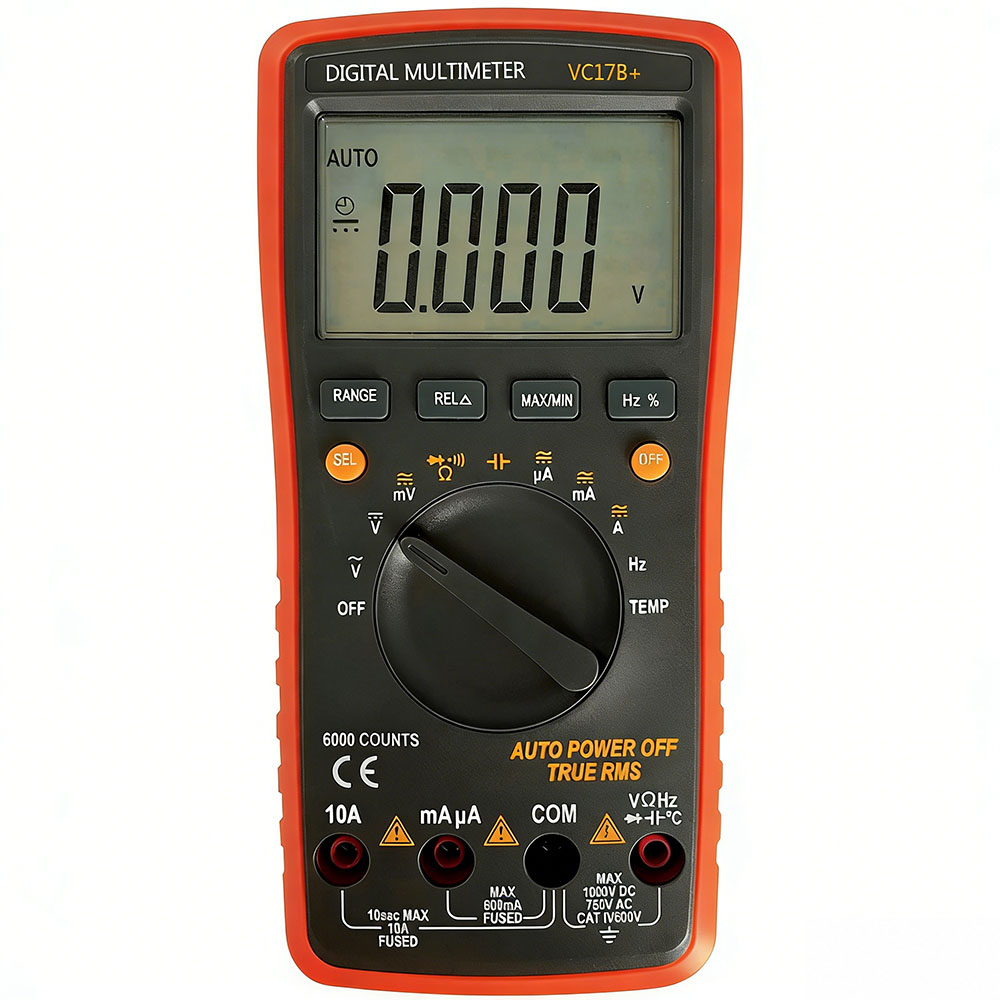
VC17B+

正弦波に近い交流電圧なら、どちらもほぼ同じ値を示します。LEDドライバのパルス状の入力電流を測るなら、交流電流レンジが真の実効値測定に対応しているか、周波数帯域が十分かを確認してください。

波形によって指示値はどう変わる?

波形 平均値応答型の指示値 確認する点
正弦波 真の実効値とほぼ一致 使用レンジの確度を比較します。
対称な方形波 約11%高く表示 真の実効値方式でも十分な帯域が必要です。
半波整流した正弦波 直流分を含む実効値より約29%低い 直流分を含める場合はAC+DC実効値モードを使います。
PWM・インバータ出力 デューティ比で誤差が変化 基本波電圧の測定に適したフィルタの有無を確認します。

平均値を1.11倍する理由

平均値応答型は整流平均値を1.11倍して表示します。正弦波ではこれが実効値になります。真の実効値方式は瞬時値を二乗して平均し、平方根を求めます。ひずみ波では表示が安定していても両者の値が異なることがあります。

どのような負荷で差が出る?

正弦波電源に直結した抵抗ヒーターの電流は、ほぼ正弦波です。一方、調光器は波形の一部を切り取ります。スイッチング電源では電源電圧が正弦波に近くても、入力電流が短いパルス状になる場合があります。

仕様表で確認する項目

交流電圧と交流電流を別々に確認します。クレストファクタはピーク値と実効値の比です。表示がレンジ内でも、ピークが入力限界を超えると測定値が低く出ることがあります。測定レベルで許容されるクレストファクタと周波数帯域を確認してください。

調達仕様に何を記載する?

実効値50 V、クレストファクタ4ならピークは200 Vです。選んだレンジで許容されるピーク値と照合してください。発注時は交流電圧と交流電流のどちらで真の実効値が必要かを明記し、実際の用途に近い負荷でサンプルを確認します。

よくある質問

Does a True RMS multimeter give a better reading on a normal mains supply?

No. Mains voltage is close enough to a sine wave that an average-responding meter is correct within its own tolerance. True RMS removes the waveform-shape error, and a sine wave has no shape error to remove. The difference appears only once the load distorts the current or the voltage.

How wrong is an average-responding meter on a distorted load?

It depends on the crest factor of the waveform. A square wave reads about 11 percent high and a half-wave rectified sine about 30 percent low. A phase-angle controlled output moves with the firing angle, so the error is not a constant you can subtract. The display stays stable throughout, which is what makes the error easy to miss.

How can I tell from a datasheet whether a meter is really True RMS?

Look for three things in the AC rows: accuracy given as a percentage of reading rather than of full scale, a stated crest factor such as up to 3 at full scale, and an AC bandwidth figure. A front panel that says True RMS without any of these has not told you the limits that decide whether it works on your load.

Can a True RMS meter still read a switching waveform wrongly?

Yes. True RMS removes the waveform-shape error and leaves two limits in place: the crest factor headroom of the converter and the bandwidth of the meter. A True RMS meter that stops at 1 kHz is still wrong on a 10 kHz switching waveform, and a signal whose peaks clip at the top of the range reads low without any warning.

Related Guides

Related Products

Questions About Our Products?

Send us a message — our engineers reply within 24 hours.