
Electrical Maintenance
Voltage, continuity and wiring checks on live electrical systems.
What to Measure in Electrical Maintenance
Electrical maintenance work centres on proving whether a circuit is live, continuous and correctly wired before anyone touches it. These are the checks a technician runs most often on a maintenance call.
- check continuity on a dead 230V outlet before calling it failed
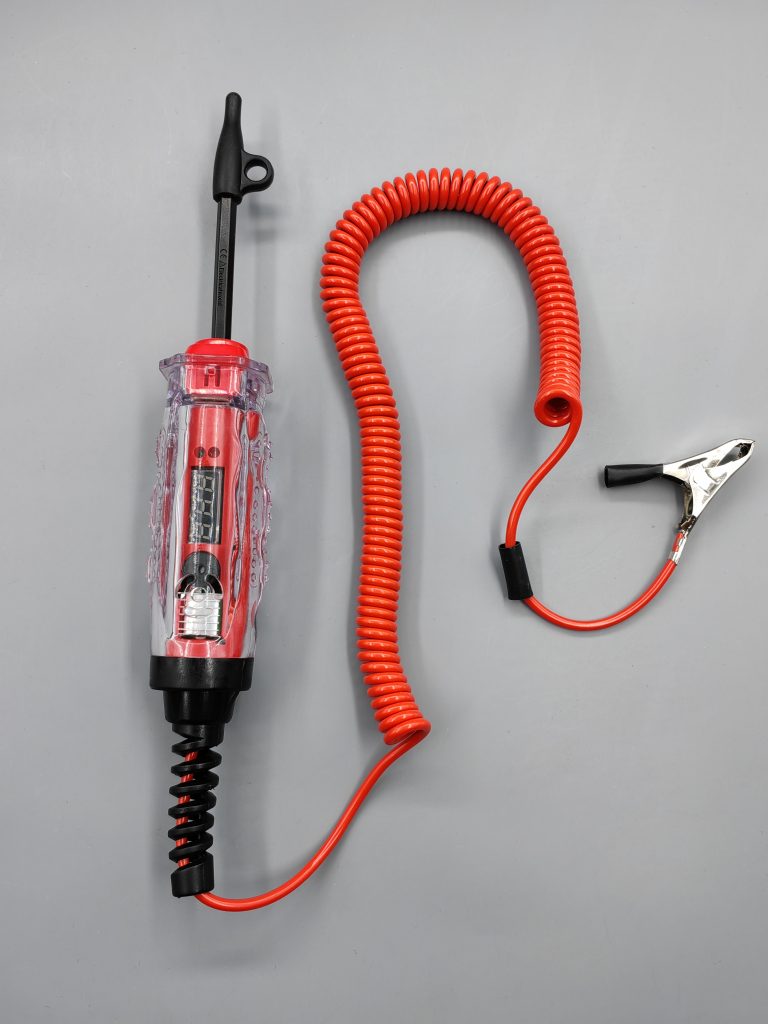
- trace a 12V car circuit that drops voltage under load
- verify line and neutral polarity at a socket outlet before energising
- confirm the absence of voltage before opening a breaker panel
- measure live-to-earth voltage to spot a high-leakage neutral
- check for a lost neutral by comparing hot to neutral and hot to earth
- test a tripped breaker to see whether the fault sits in the load
How to Check Voltage and Continuity
A multimeter with a continuity buzzer, a voltage tester and a clamp meter cover nearly every maintenance check. Follow the same order each time so nothing gets missed.
- Test the meter first: set it to AC voltage mode and confirm it reads the expected supply value on a known-good live source before you trust any reading.
- Prove the circuit dead: with the supply isolated, use AC voltage mode to check line to neutral, line to earth and neutral to earth until every reading is zero.
- Run continuity checks: switch to continuity or buzzer mode, short the leads to confirm the tone, then test the conductor end to end and compare the reading with the circuit length.
- Chase live loads: set the meter to AC voltage mode and measure across a suspect component while the circuit carries load, watching for an abnormal voltage drop under load.
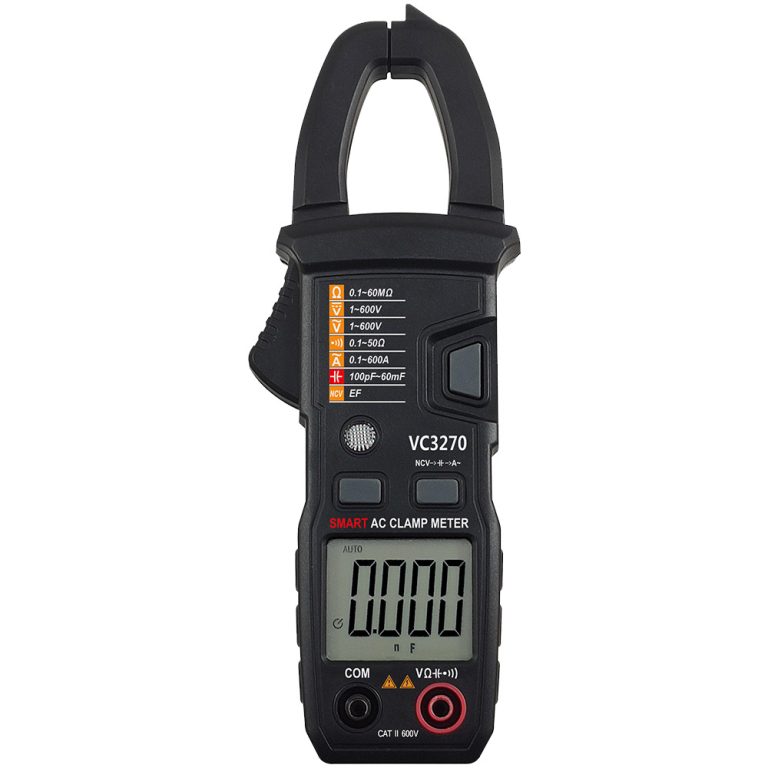
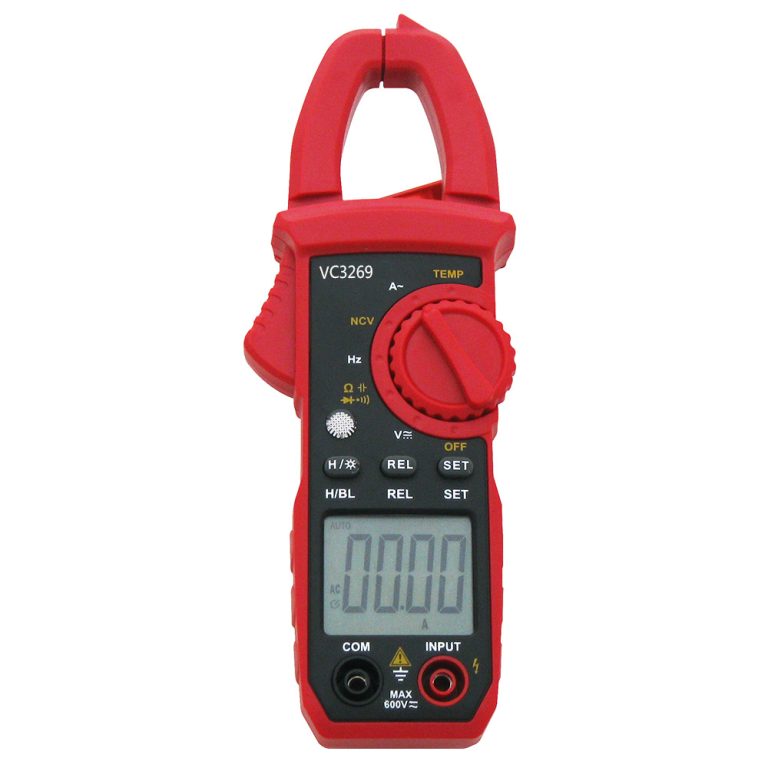
- Read the actual load current: close the clamp meter jaws around a single conductor, never around two phases, and read the AC amperage without breaking the circuit.
- Confirm the install: plug a socket tester into the outlet to check wiring polarity and earth, then record the values before you close the job.
Safety First
Voltage checks are safe when the right habits are automatic. These rules apply whether you work on a factory floor or a domestic board.
- Check the meter CAT rating and inspect the leads for cracked insulation before any live work.
- De-energise and prove dead with your own meter before touching conductors, even on a planned job.
- At 230V use insulated gloves and one hand in your pocket to keep current from crossing your chest.
- Hold the probes by the insulated grips and never touch the metal tips while they are connected.
- Lock out the breaker and tag the panel when you leave the circuit isolated for someone else.
- Test the meter on a known live source again after the job, so a meter that failed mid-check can never be missed.
Recommended Instruments
For day-to-day electrical maintenance these instruments cover the checks above without over-reaching.
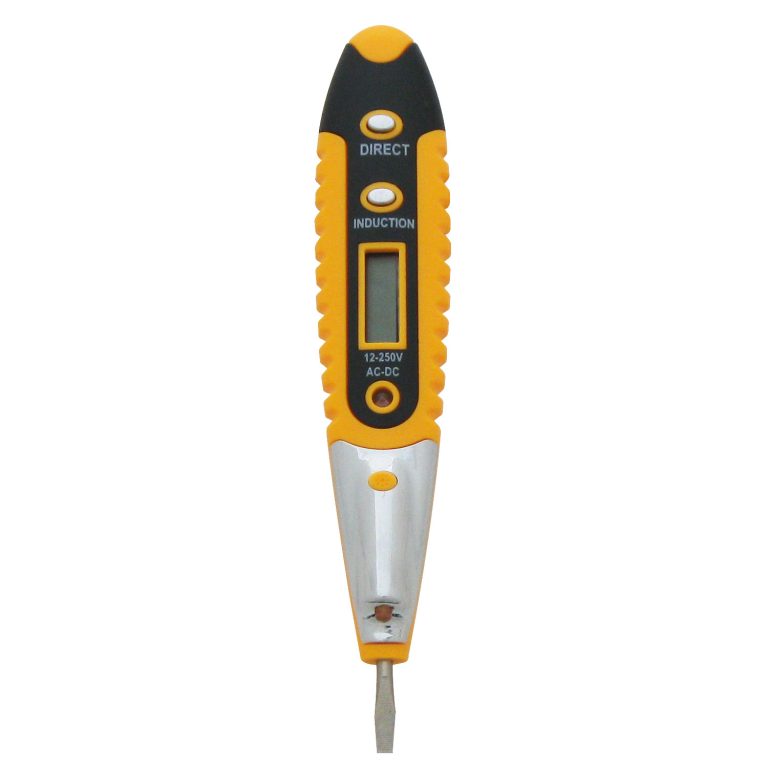
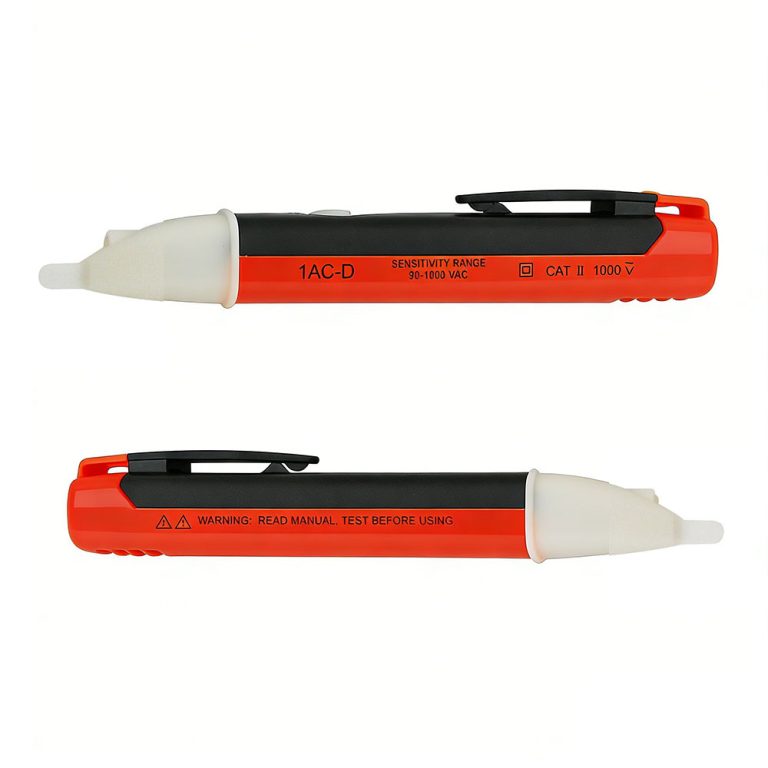
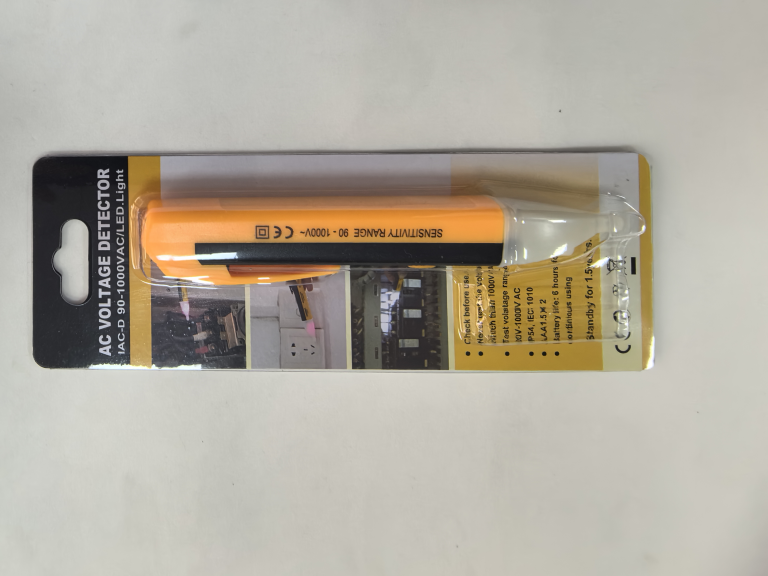
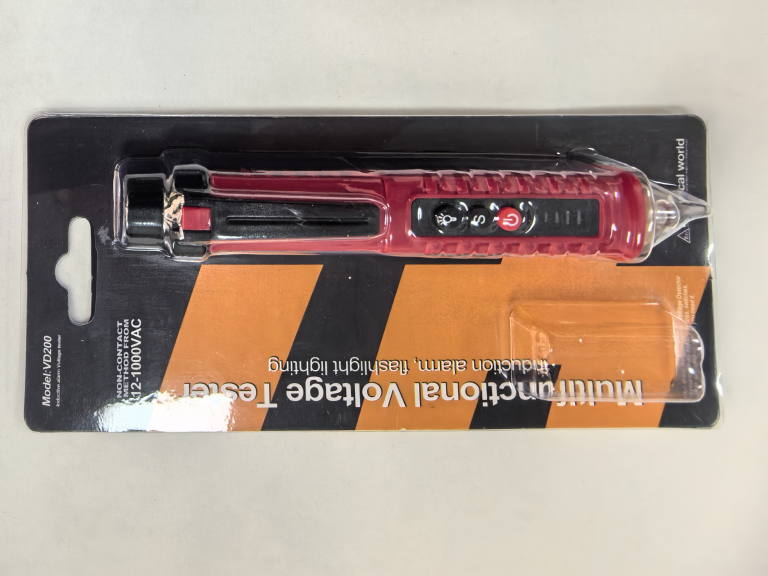
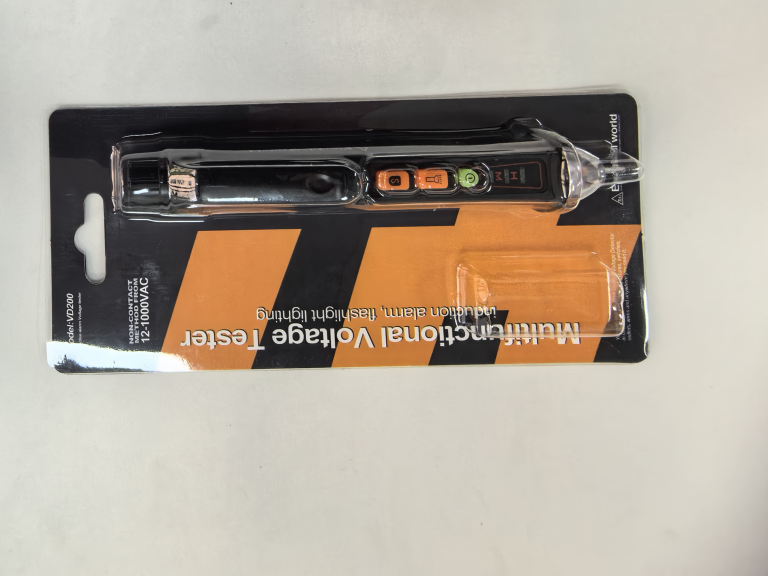
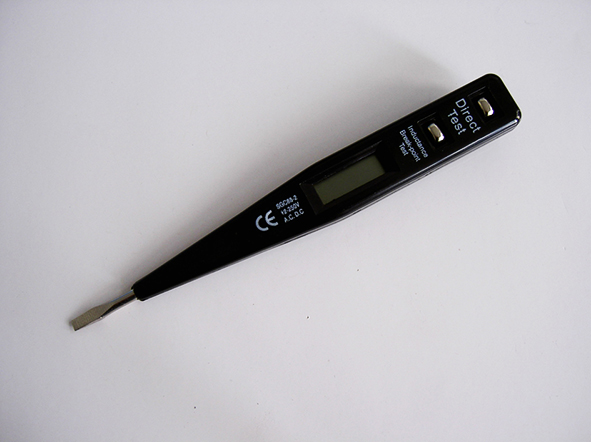
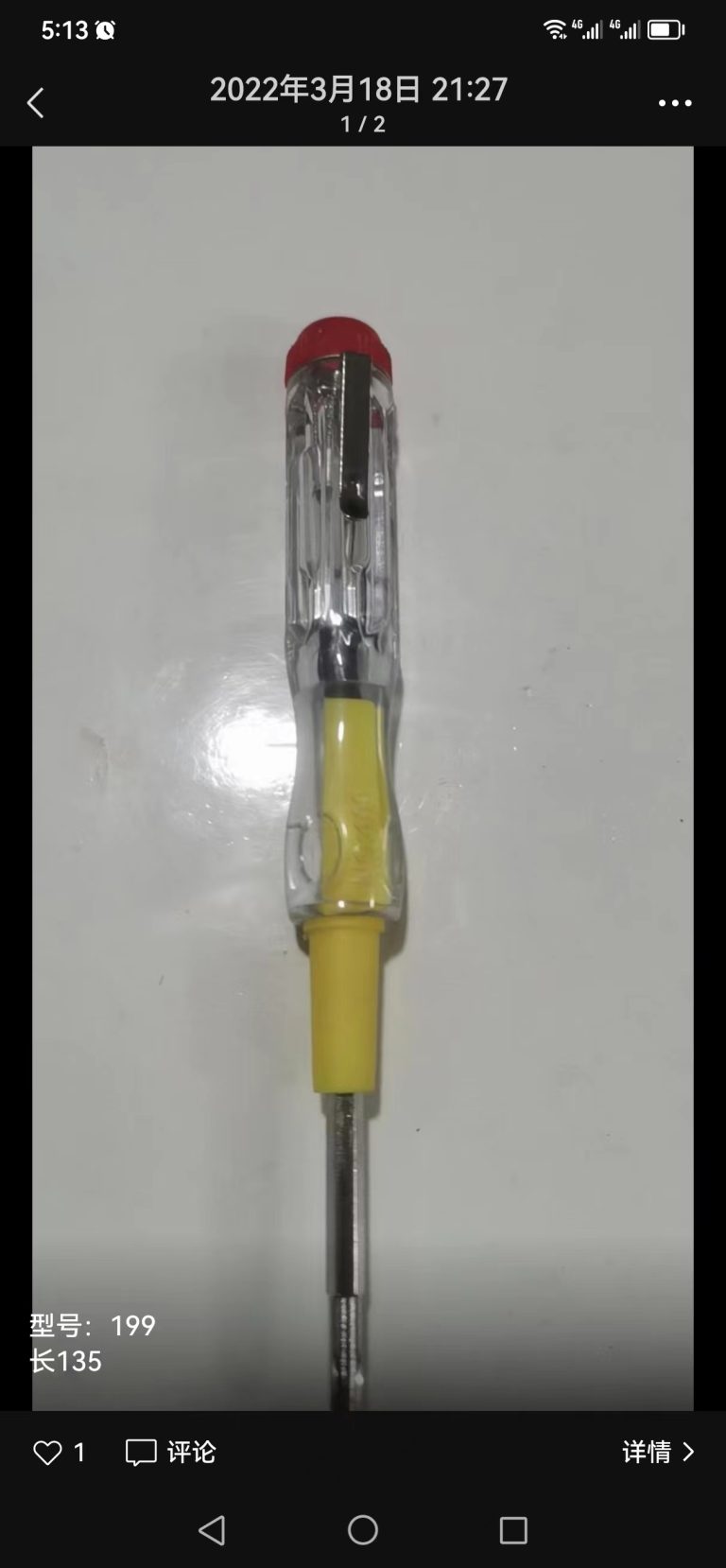
- M100 / M200 Pen-Type Voltage Testers Gives a fast live or dead confirmation without lead fiddling before you pick up a multimeter.
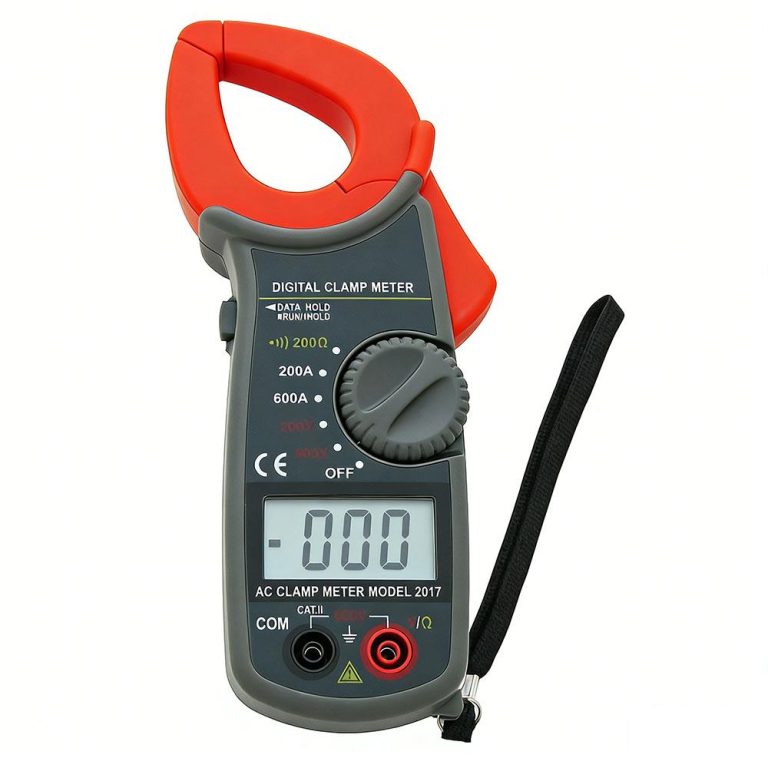
- VC3270 / VC3269 Digital Clamp Meters Measure load current with the jaws on a single conductor, so you can trace live circuits without breaking them.
- Socket Tester Outlet Receptacle Tester Confirms wiring polarity and earth integrity at the outlet in one push, ideal for final socket checks.
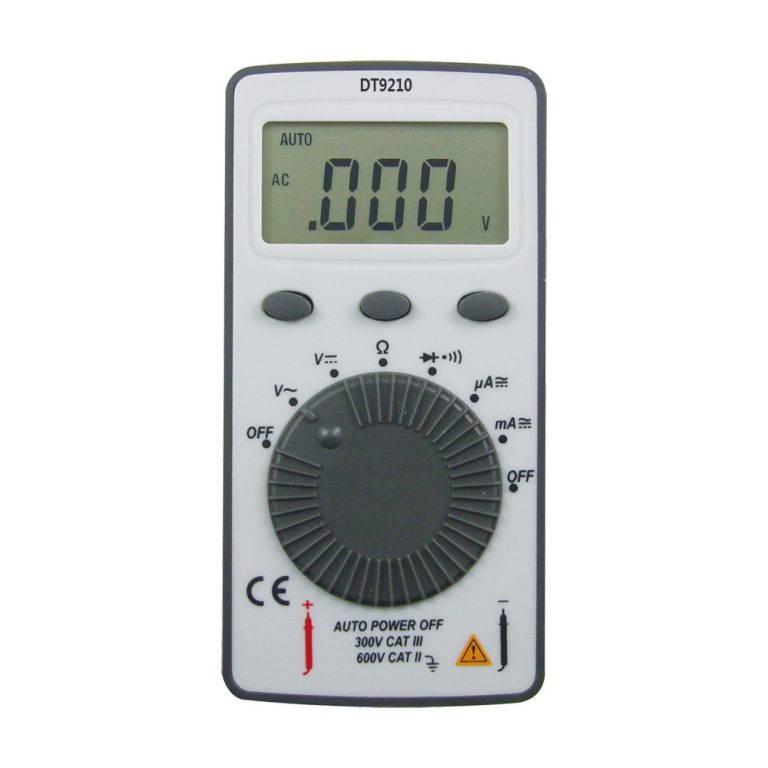
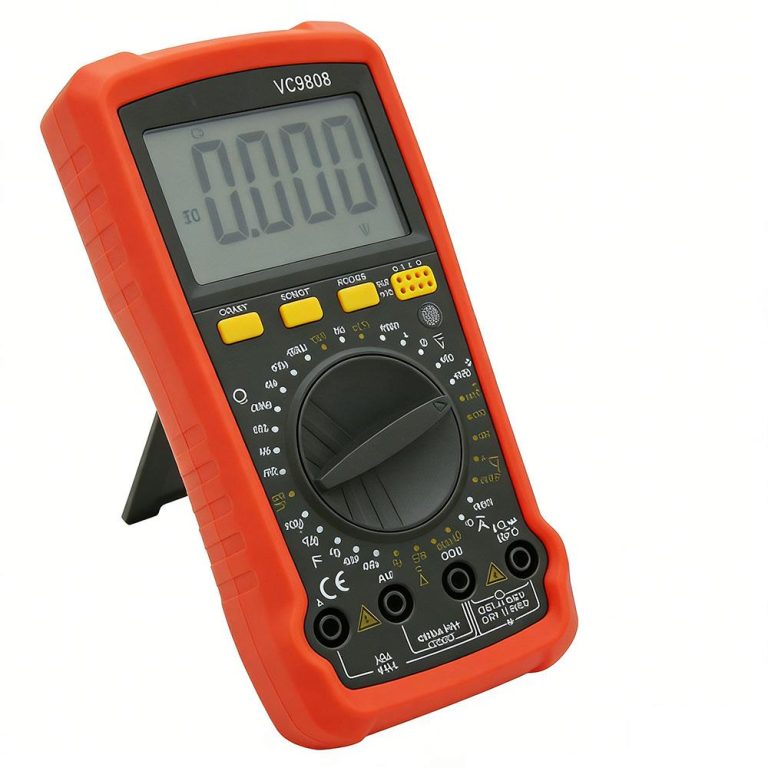
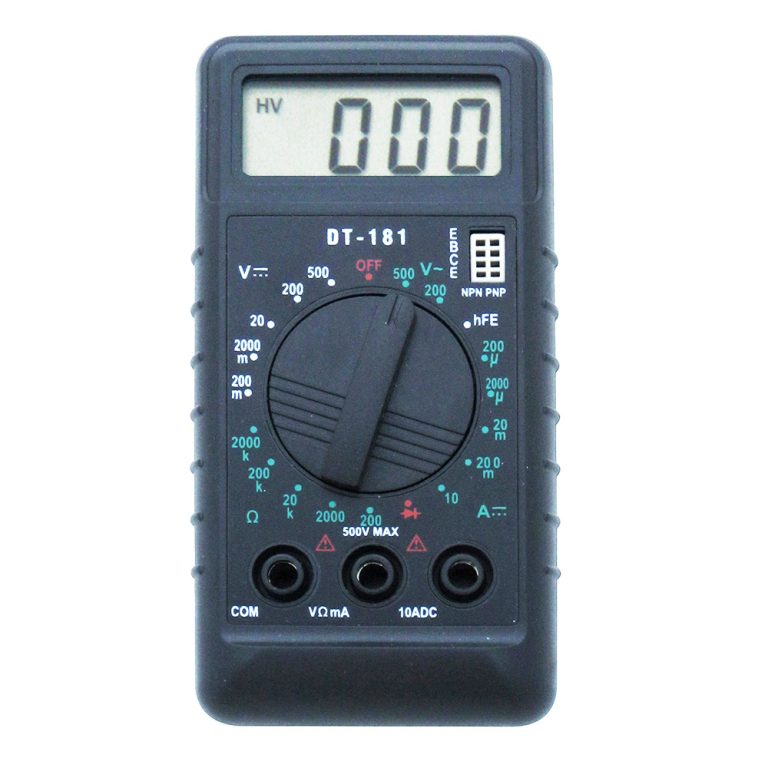
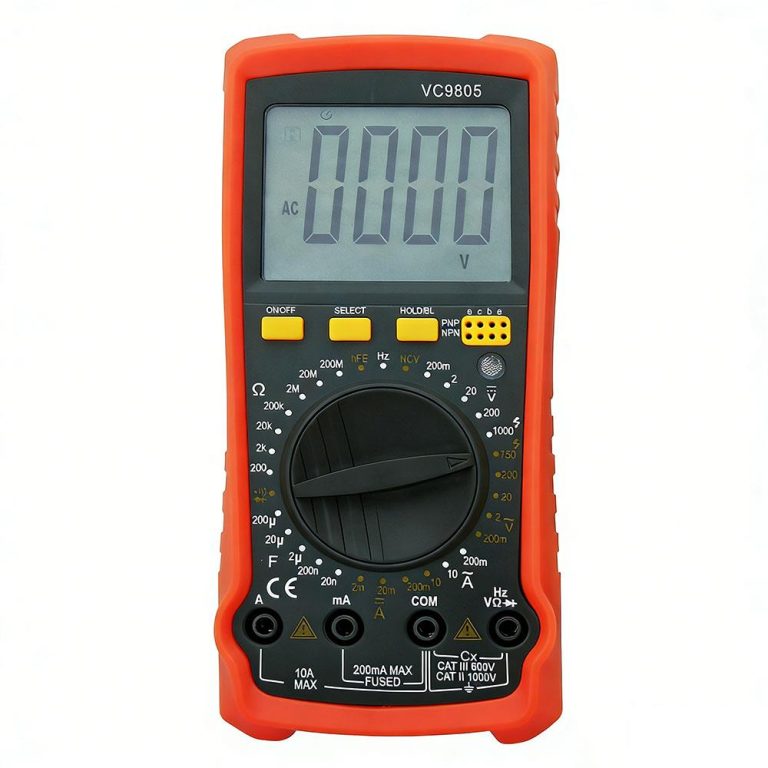
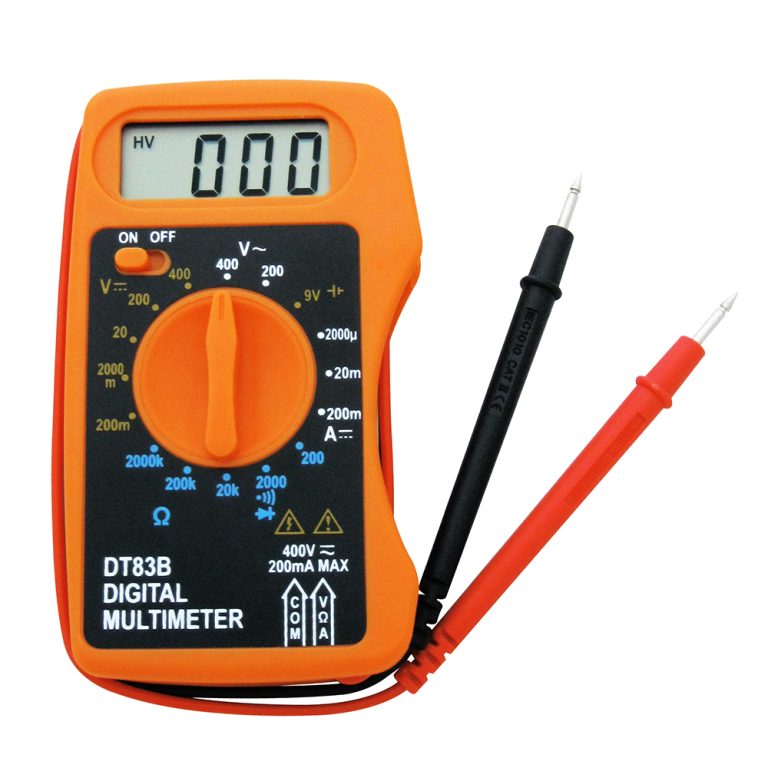
- DT6221 Digital Meter Handles AC voltage, DC voltage and continuity checks, so it is the everyday workhorse for maintenance.






Browse the full product range →
Get a Quote for Electrical Maintenance Tools
Tell us your application and target quantity — we'll reply within 24 hours.