
Industrial & Facility
Non-contact current measurement for panels, motors and machines.
What to Measure in Industrial Maintenance
Industrial and facility maintenance is mostly about confirming that power is where it should be and not where it shouldn't. A technician working on panels, motors and machines spends the day checking current flow, continuity and temperature.
- Check running current draw on a three-phase motor in a panel
- Verify a breaker is carrying an overload before it trips
- Trace a live feed inside a distribution board without breaking the circuit
- Confirm a heater element pulls current during the heating cycle
- Test for voltage on a machine isolator before opening the cover
- Check continuity of the earthing conductor on a metal cabinet
- Measure surface temperature on a motor housing to catch an overheat
How to Check Current, Continuity and Voltage
A safe, repeatable routine keeps readings honest and hands out of harm's way. The same basic workflow carries across most panel, motor and machine checks.
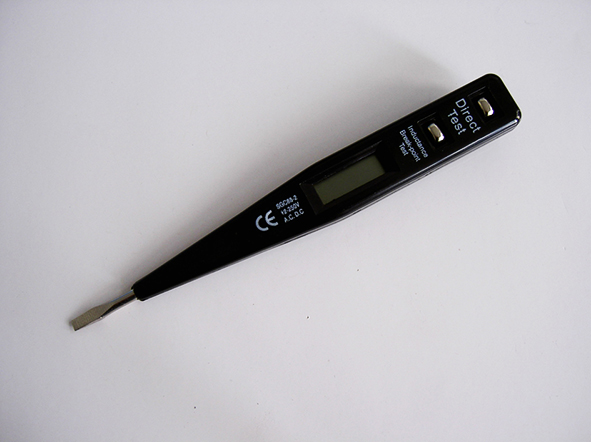
- Test the meter first. In AC voltage mode, prove the tester on a known live source, and re-prove it on the same source when you finish so a failed meter can never give a false safe reading.
- For live current on a motor or machine, use the clamp jaws and close them around a single conductor, never around two phases, to read the true AC load.
- To check a winding, fuse or breaker, de-energise the circuit first and use continuity or buzzer mode to confirm a near-zero reading.
- For a low-voltage control or sensor circuit, select DC voltage mode, connect the black lead to the negative rail and read the working signal.
- For a suspect contact or fuse, measure the voltage drop across it in live conditions instead of trusting a visual inspection.
Safety First
Electricity gives no second chances, so build the safe habits before the job starts. These few rules cover most panel and machine work.
- Never switch ranges while the clamp jaws are around a live conductor; keep both hands on the meter.
- Stand on a dry insulating mat and keep the meter and leads clear of moisture.
- De-energise and lock off the circuit where possible, then confirm it is dead with the meter before touching terminals.
- At 230V wear insulated gloves and keep one hand out of the cabinet.
- Hold leads only by the insulated finger guards and never touch the probe tips.
- Check the meter CAT rating and inspect the leads for cracked insulation before any live work.
Recommended Instruments
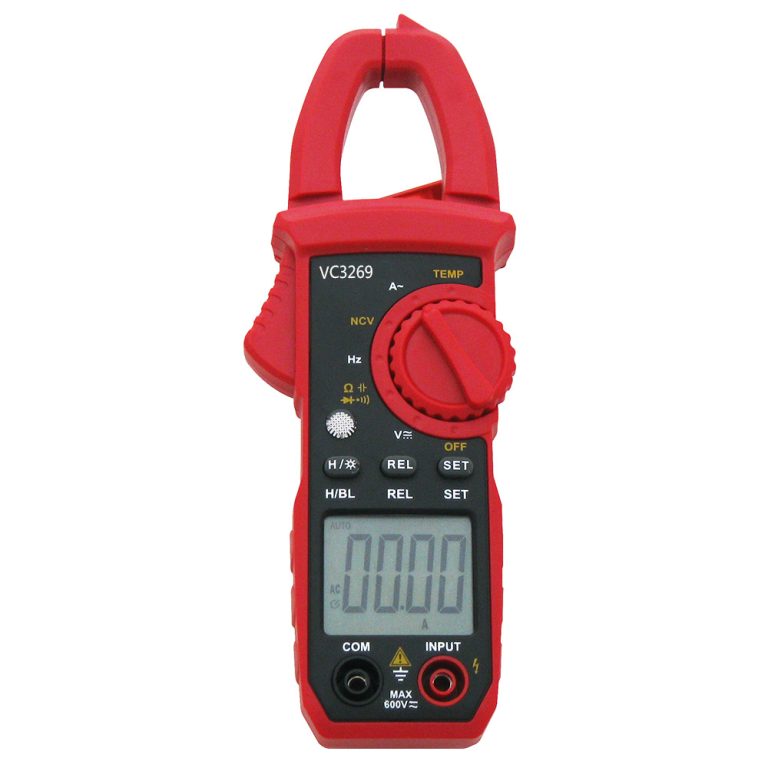
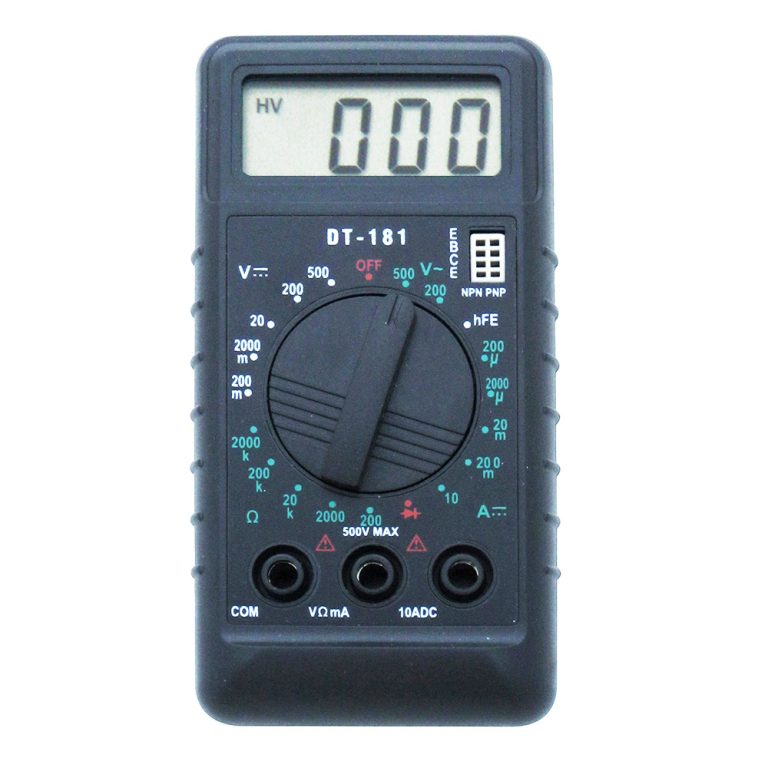
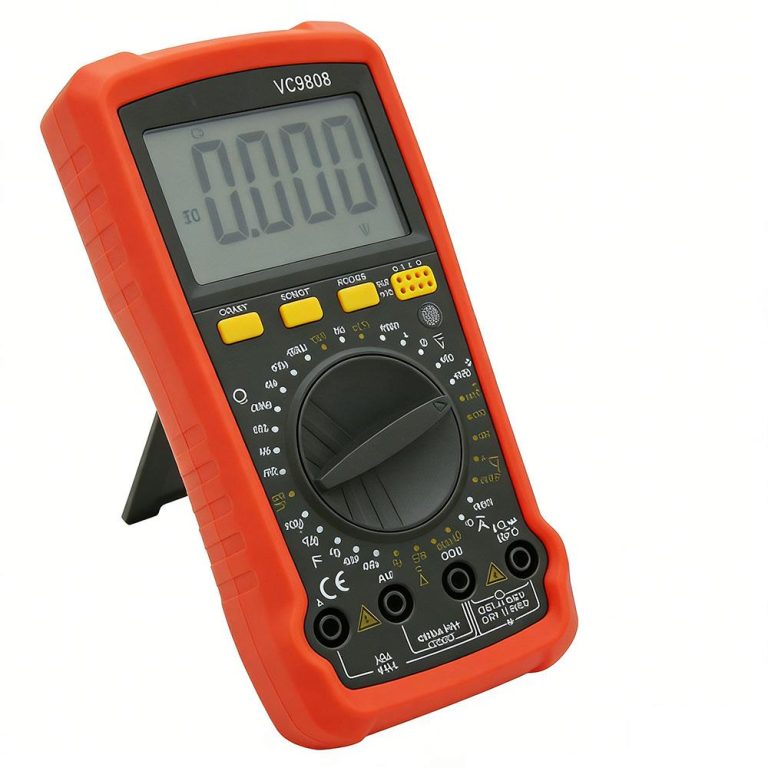
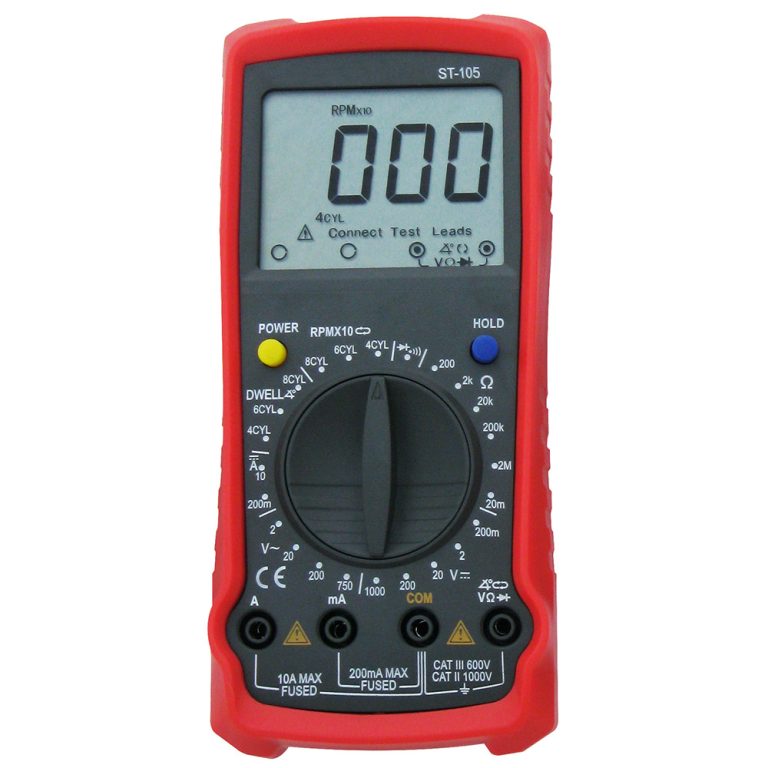
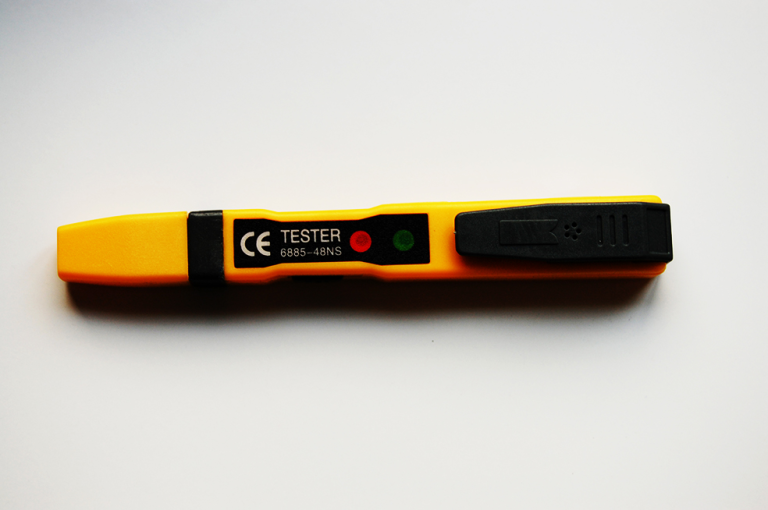
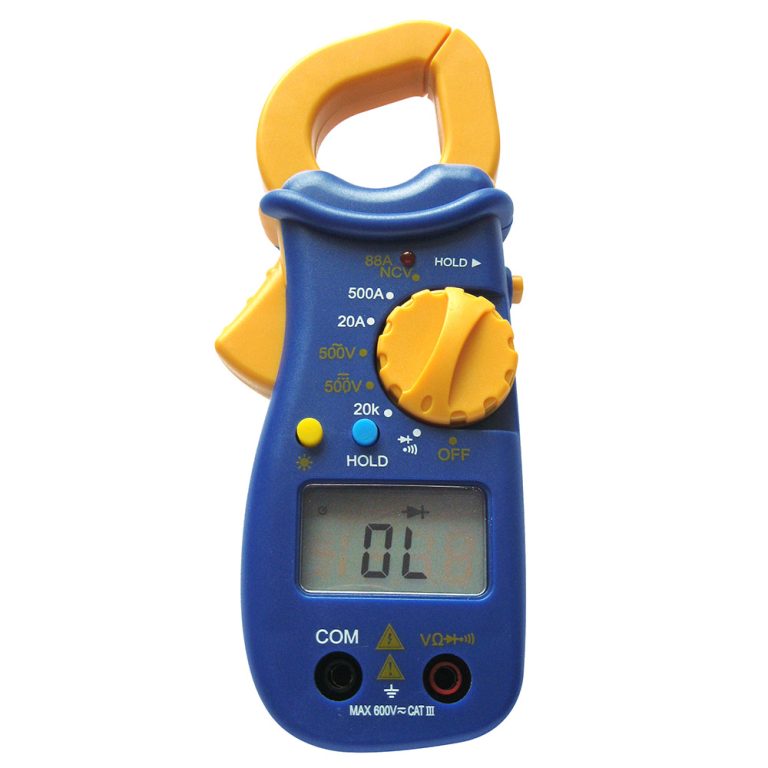
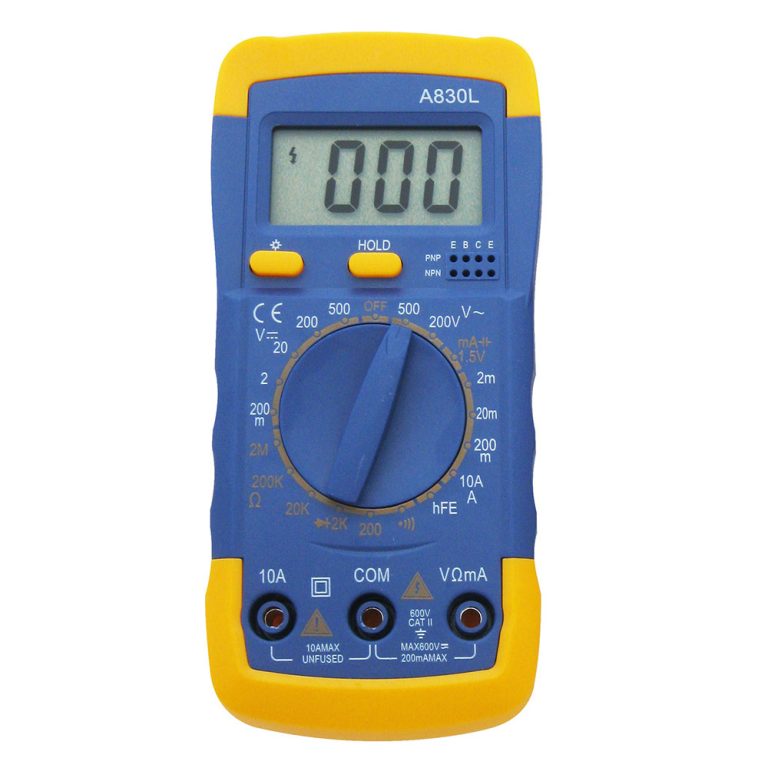
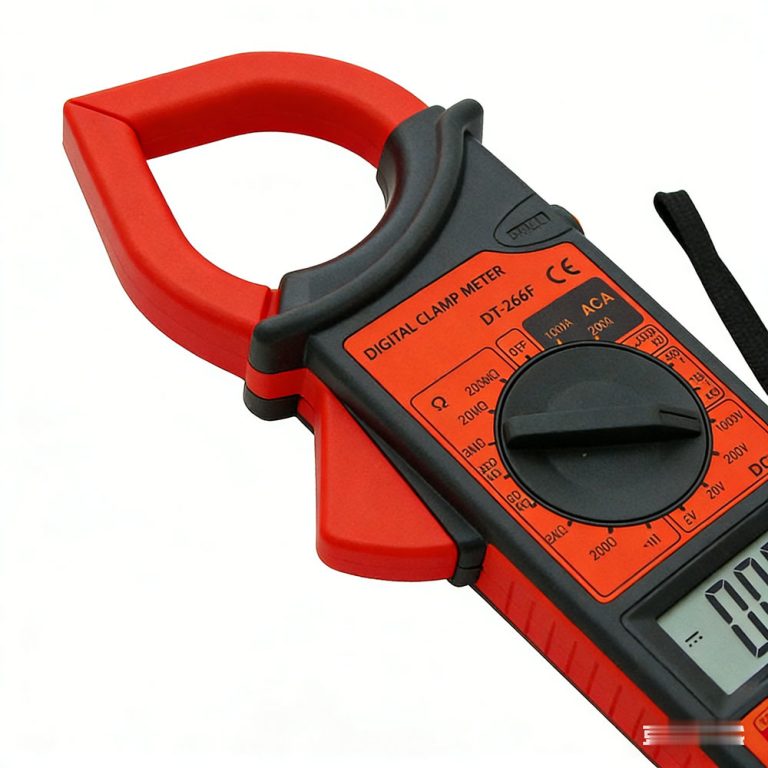
Four instruments cover the majority of panel, motor and machine checks on this site.
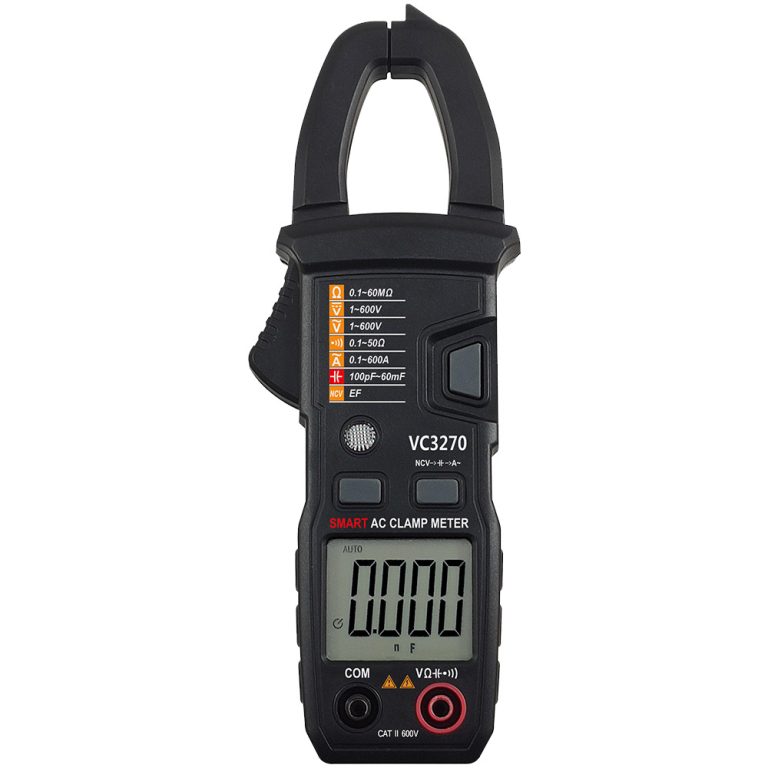
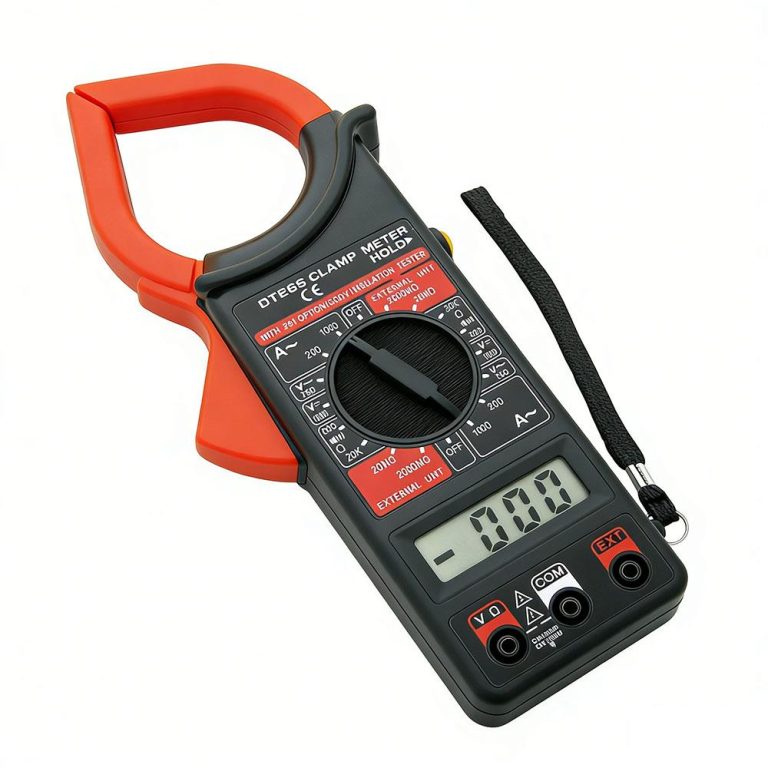
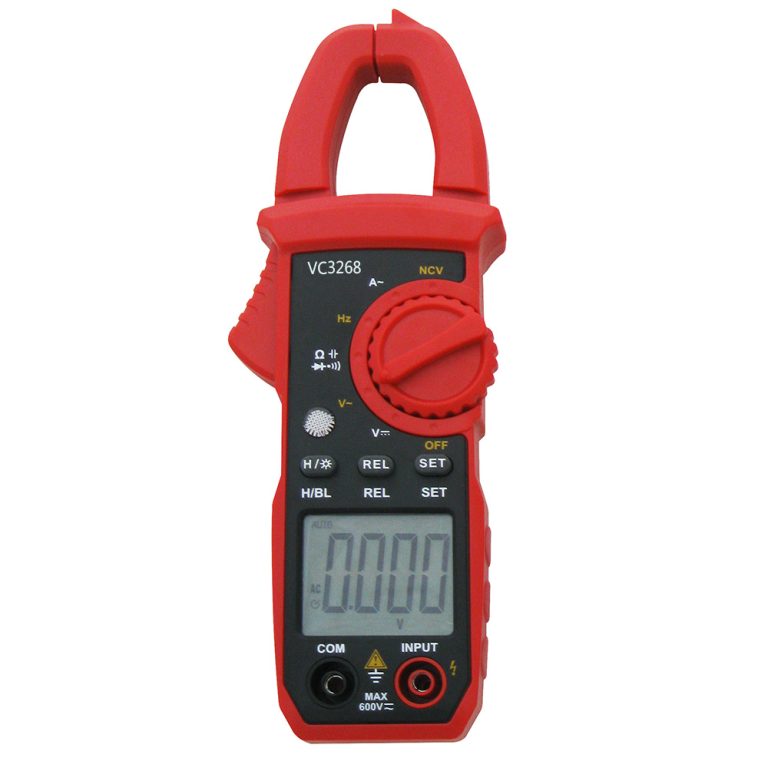
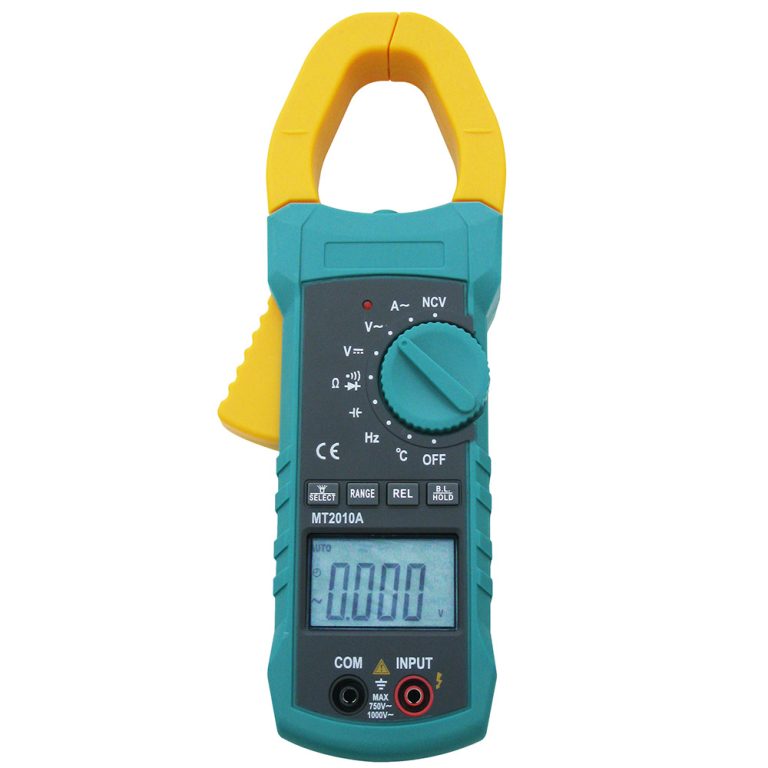
- VC3270 Digital Clamp Meter Non-contact jaws read live motor and panel current without breaking the circuit, which suits daily machine checks.
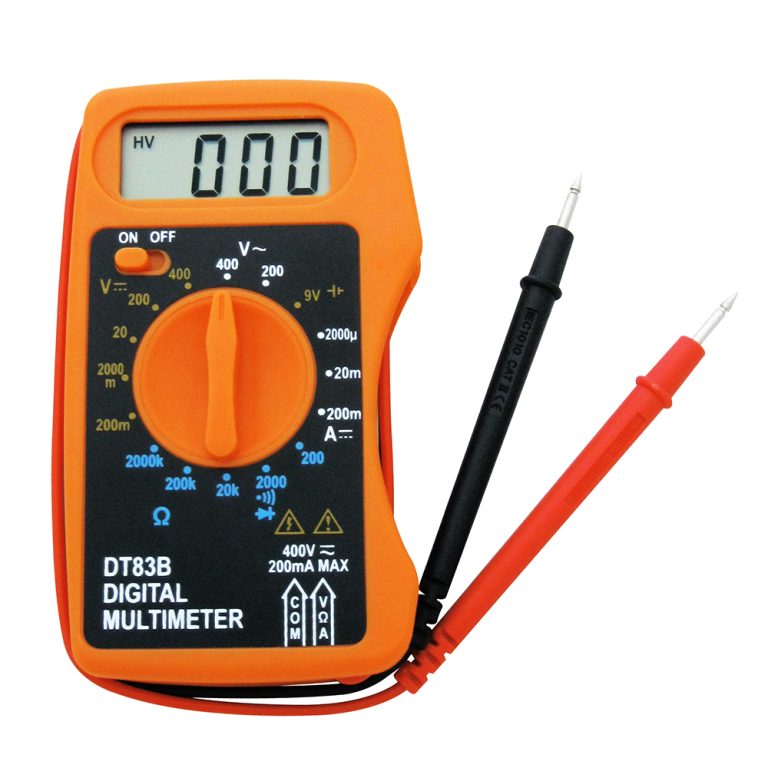
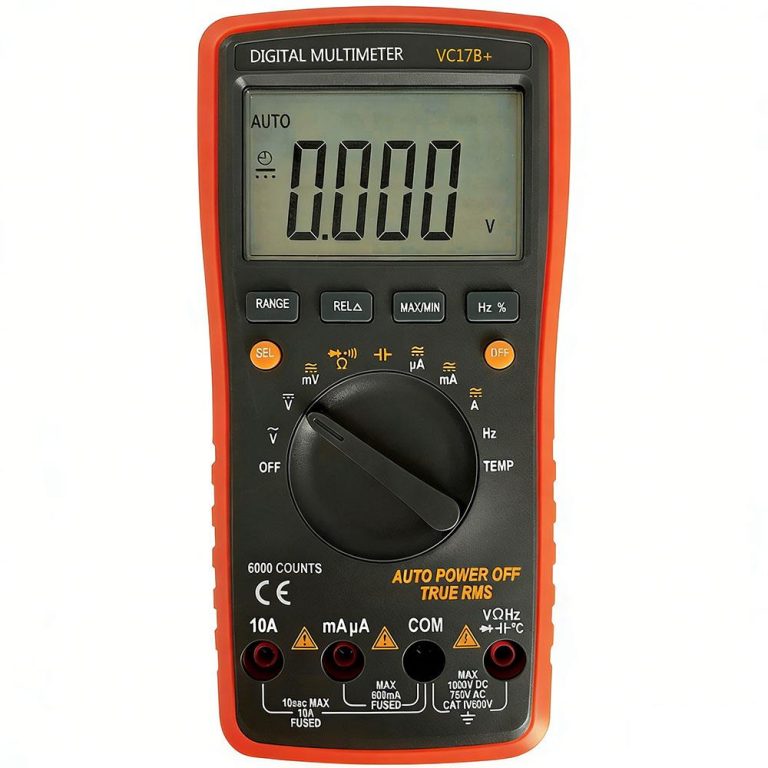
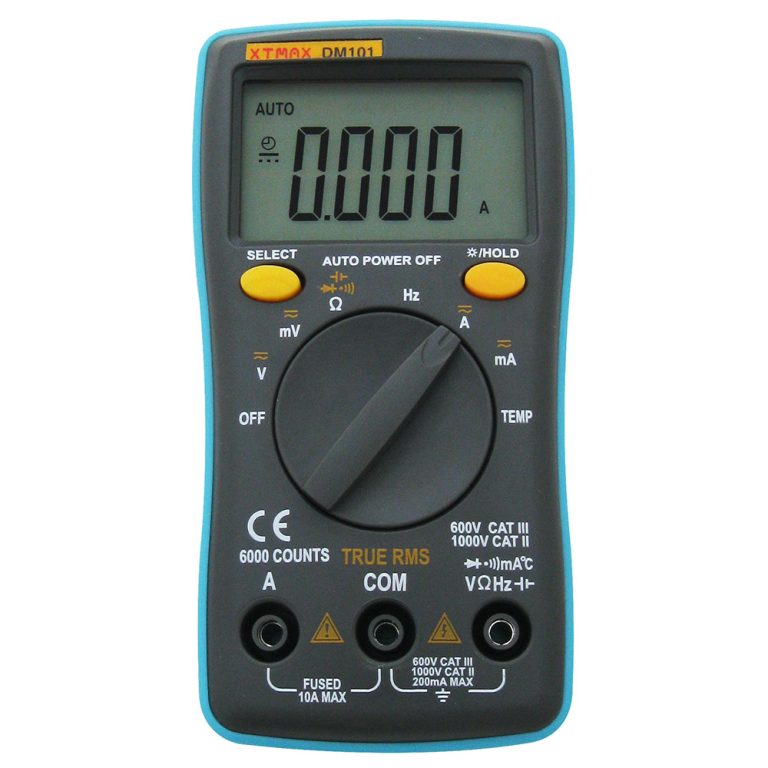
- DT9210 Digital Multimeter A general-purpose meter for continuity, resistance and AC/DC voltage checks across the whole installation.
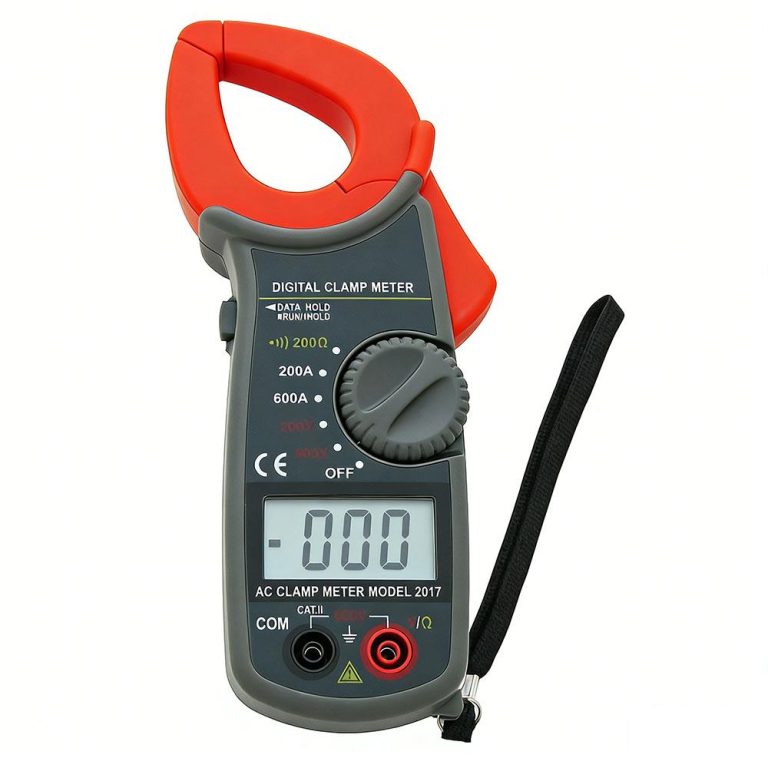
- XT2017 Digital Clamp Meter Use its clamp jaws to compare current across the phases of a three-phase motor and spot imbalance.
- XT101 Temperature Meter Surface temperature readings flag an overloading motor, bearing or fuse before it fails.




Browse the full product range →
Get a Quote for Industrial & Facility Tools
Tell us your application and target quantity — we'll reply within 24 hours.