
Home & DIY
Socket wiring, battery and everyday electrical safety checks.
CERoHSISO 9001
What to Measure in Home Electrical Checks
Most household faults hide in the sockets, the wiring, the batteries and the temperature-sensitive appliances. Here is what a technician typically checks on a DIY or home call-out.
- Verify correct live-neutral-earthing polarity at every household socket
- Check continuity on a dead 230V outlet before you open the wall
- Measure battery voltage on rechargeable cells before deciding to charge
- Trace a 12V car circuit that drops voltage when the load switches on
- Confirm a battery charger delivers its rated voltage under a connected load
- Confirm a heating element or appliance draws current only when it should
- Record indoor and fridge temperatures to catch a failing thermostat
How to Check Voltage, Continuity and Charge
A reliable routine tests the meter first, then works from the socket to the battery to the live circuit.
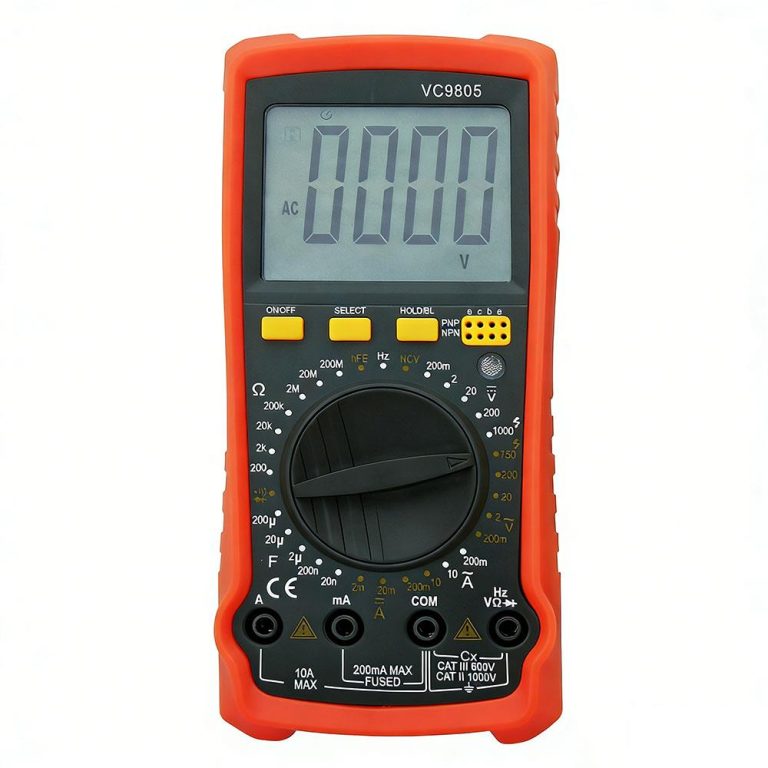
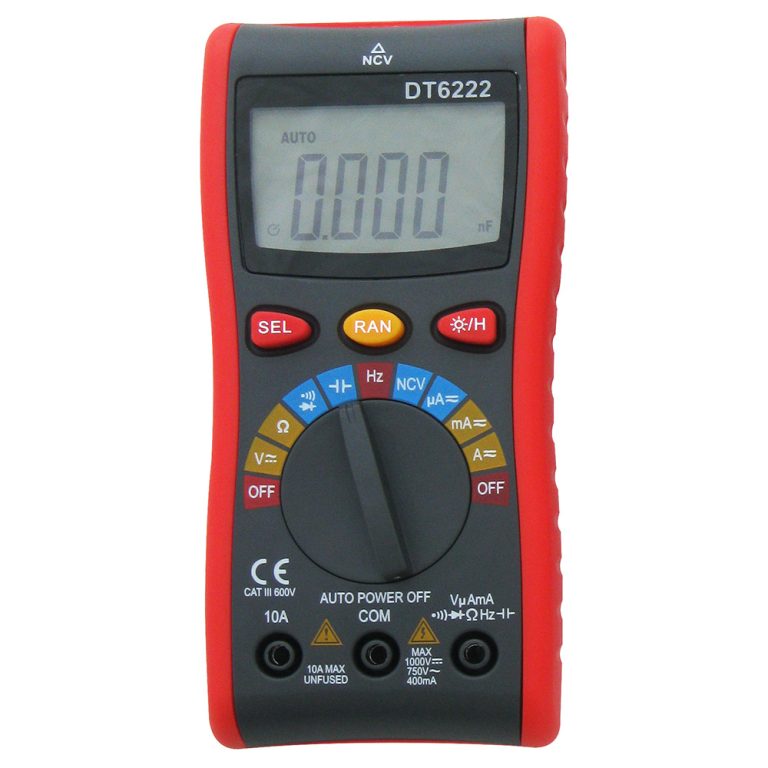
- Test the meter before any live work: select AC voltage mode, confirm it reads the local supply on a known-good outlet, then touch the probes together to verify the continuity buzzer sounds.
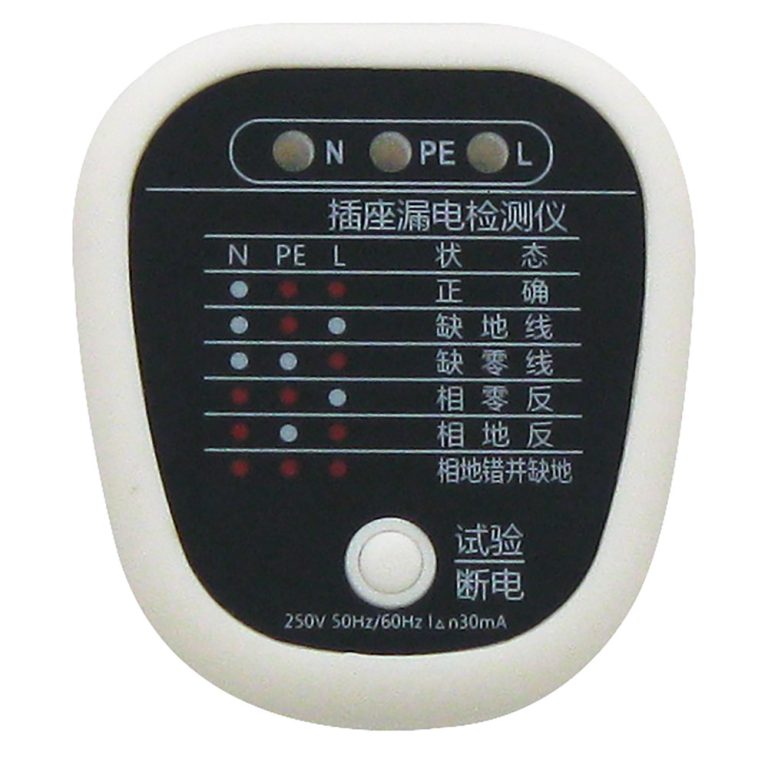
- Plug the Socket Tester Outlet Receptacle Tester into the suspect outlet and read the lamp pattern, then confirm any fault in AC voltage mode between live, neutral and earth.
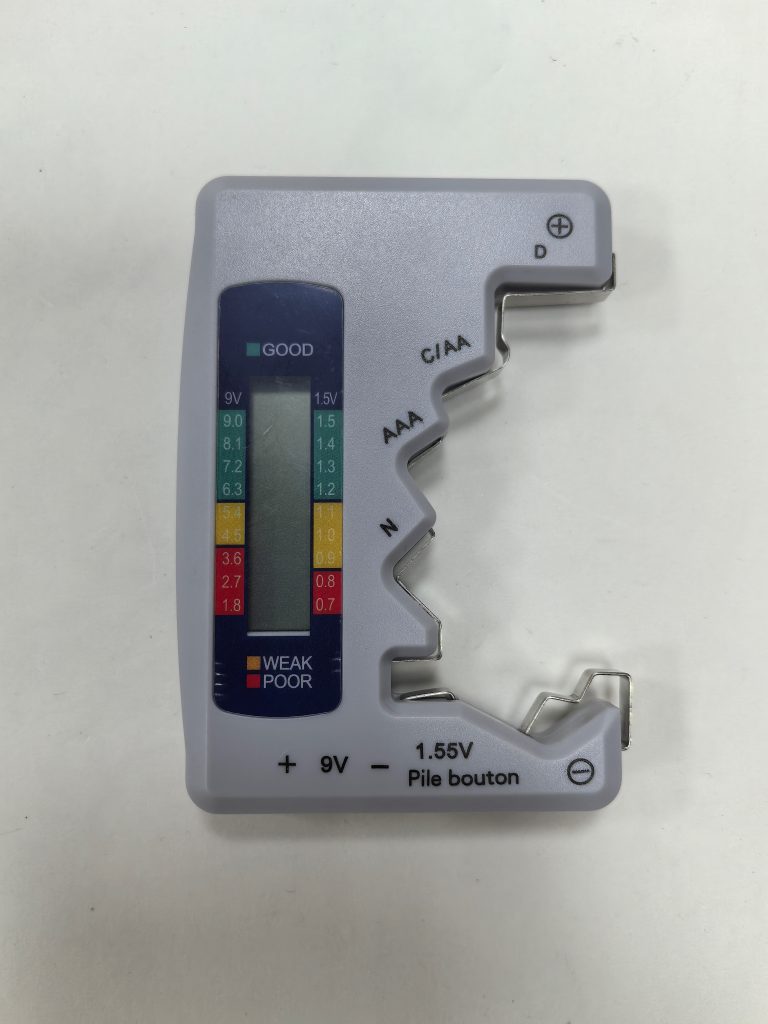
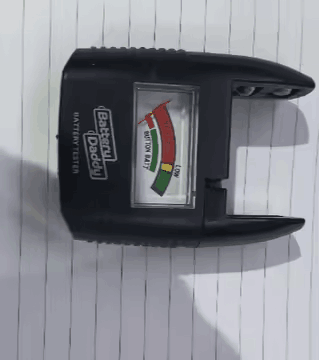
- Set the BT-168 Series for the cell type and read the load-tested verdict, or switch to DC voltage mode and compare open-circuit voltage with the rating stamped on the battery.
- To chase a 12V circuit that sags, stay in DC voltage mode, energise the load, and watch for the voltage drop that betrays a corroded terminal or undersized cable.
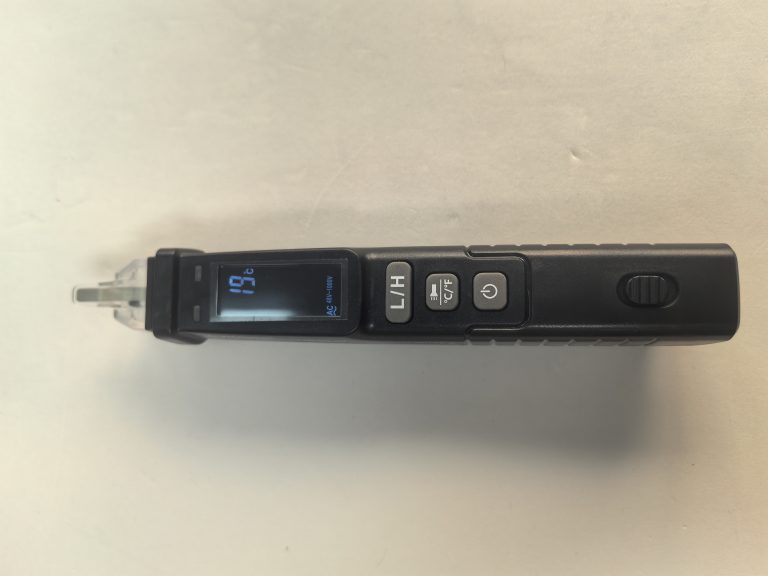
- For temperature, set the HTC-1 nearby and let the sensor settle for a few minutes before comparing its reading with the thermostat set point, then confirm a live appliance receives supply by checking AC voltage at its inlet.
Safety First: Household Electrical Work
A home circuit can still deliver a lethal shock, so treat every wire as live until you have proven it dead.
- De-energise the circuit at the breaker and lock it off wherever the job allows.
- Pull the socket tester out before changing a fuse, and re-check polarity after any repair.
- At 230V, wear insulated gloves and keep one hand away from the circuit.
- Hold the probes only behind the finger guards and never touch the metal tips.
- Check the meter CAT rating and inspect the leads for cracks before any live work.
- Never work on wet surfaces, and keep hands and tools dry around the board.
Recommended Instruments
These tools cover the everyday checks above with the least fuss and the lowest risk on a household call-out.
- Socket Tester Outlet Receptacle Tester Instantly shows correct wiring, reversed live and lost earth on any household outlet.
- BT-168 Series Gives a clear load-tested pass-fail verdict on AA, AAA and rechargeable batteries in seconds.
- HW171 / HW172 Battery Meters Read exact battery voltage so you can tell a tired cell from a flat one.
- HTC-1 Tracks indoor temperature and humidity to flag a drifting thermostat or a damp room.



Browse the full product range →
Get a Quote for Home & DIY Tools
Tell us your application and target quantity — we'll reply within 24 hours.