
HVAC & Temperature
Refrigeration, heating and ambient temperature measurement.
CERoHSISO 9001
What to Measure in HVAC and Temperature
This scenario covers the temperature, voltage and current checks you run when servicing refrigeration, heating and air conditioning equipment.
- Measure ambient room temperature against the thermostat set point to spot drift
- Trace a heating element that cycles off before the room reaches set point
- Check supply and return duct temperatures to see how much heat the air loses
- Verify refrigerant pipe surface temperatures when the compressor runs weak
- Confirm the water heater reaches its target temperature without overshooting
- Read the outside air temperature and compare it with the system design load
- Monitor fridge and freezer temperature over time to catch slow creep
How to Measure Temperature and Voltage
A consistent order of checks keeps the job safe and the readings meaningful.
- Test the meter first: touch the probe tips together in continuity mode and confirm the buzzer sounds, then verify AC voltage mode against a known live outlet.
- For ambient or surface temperature, connect the thermocouple, select temperature mode, and hold the sensor still until the reading settles.
- To test a heating element, switch to resistance mode, de-energise the circuit, and measure across the element, expecting a low continuous resistance rather than an open circuit.
- For ductwork, probe the insulated supply and return ducts a short distance from the unit and compare the two readings to judge delivered heat.
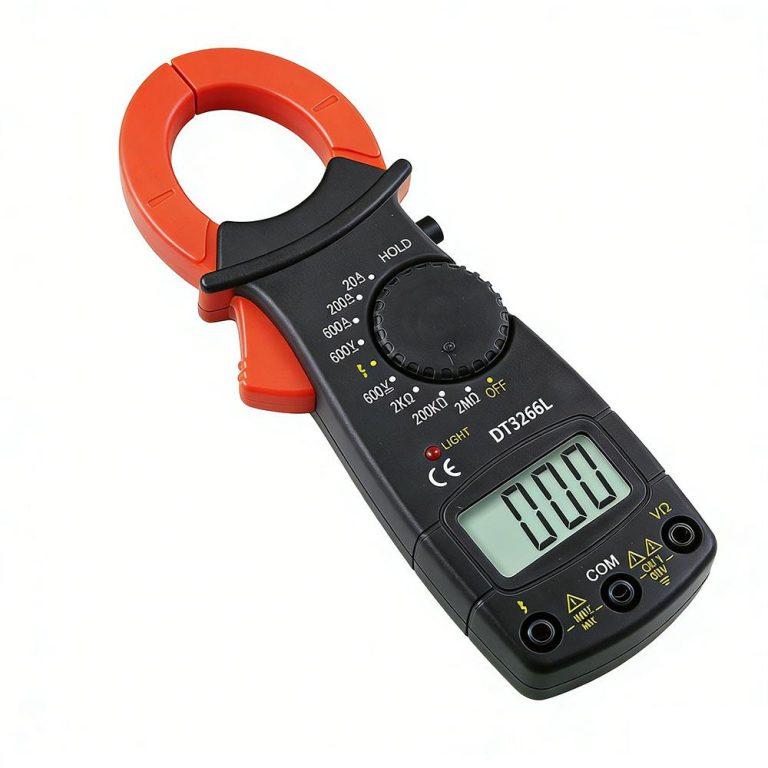
- To check running current on a compressor or fan motor, clamp the jaws around a single conductor in AC current mode, never around a cable carrying both live and neutral.
Safety First
Follow these habits on every job, especially where mains voltage is involved.
- Check the meter CAT rating and the condition of its leads before any live work.
- De-energise and lock out the circuit wherever possible, then verify absence of voltage before touching anything.
- Clamp around a single conductor only — never around a cable carrying both live and neutral.
- At 230V keep one hand in your pocket and wear insulated gloves with insulated probes.
- Let the sensor settle before recording a temperature; a moving probe reads air, not the surface.
- Replace any lead with cracked or damaged insulation before you use it again.
Recommended Instruments
Pick from these instruments to cover the temperature, voltage and current checks in this scenario.
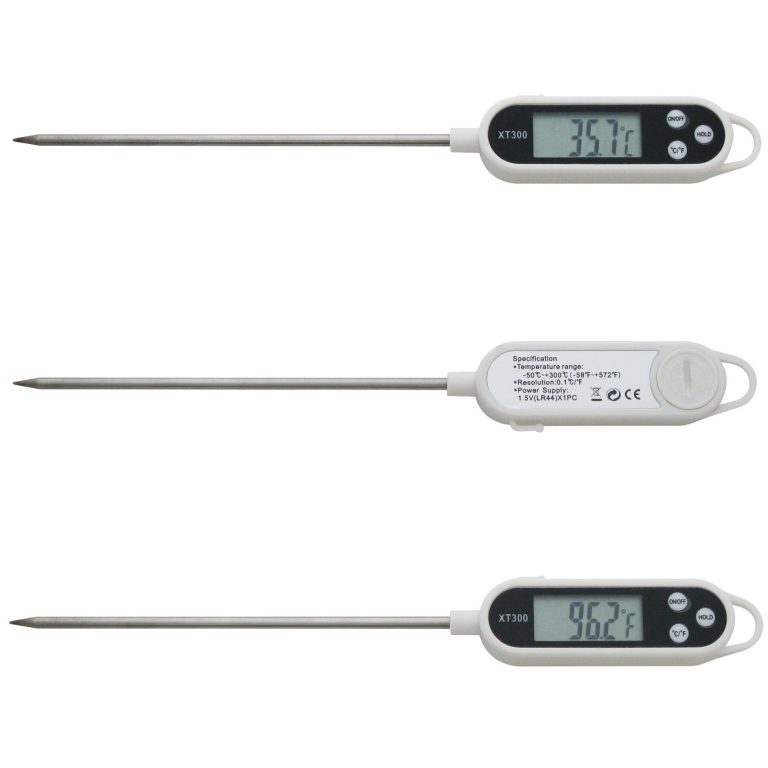
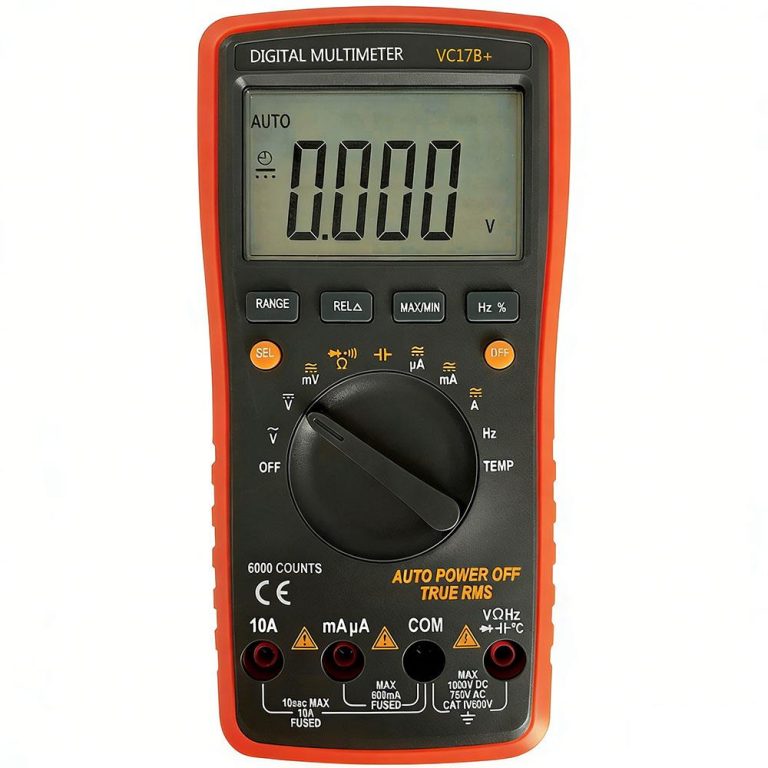
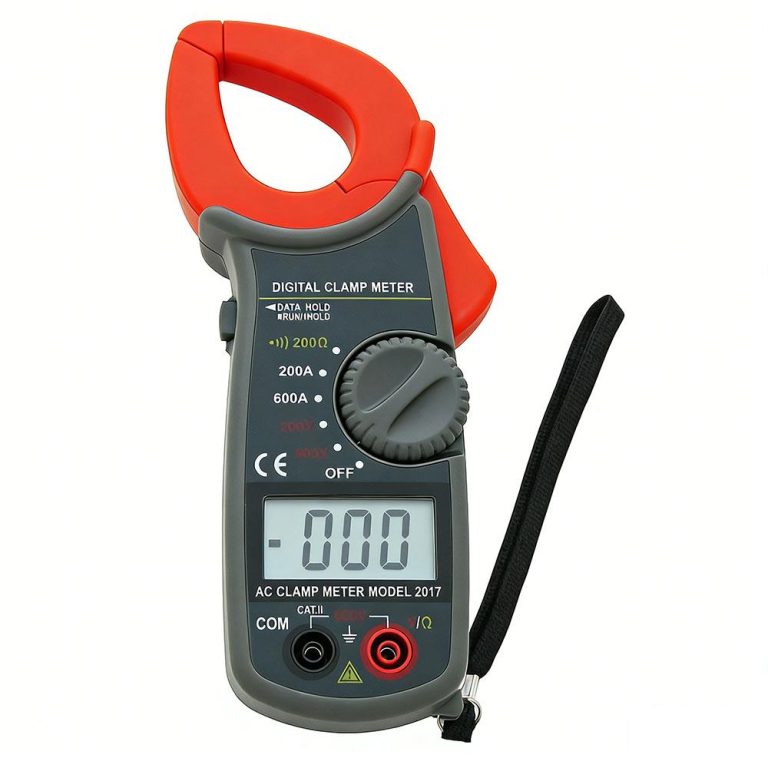
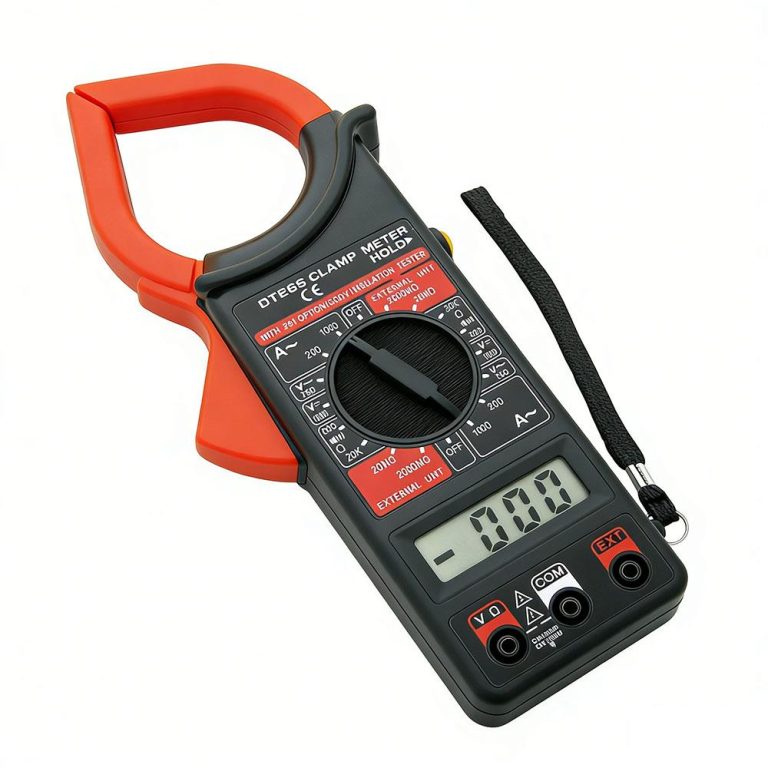
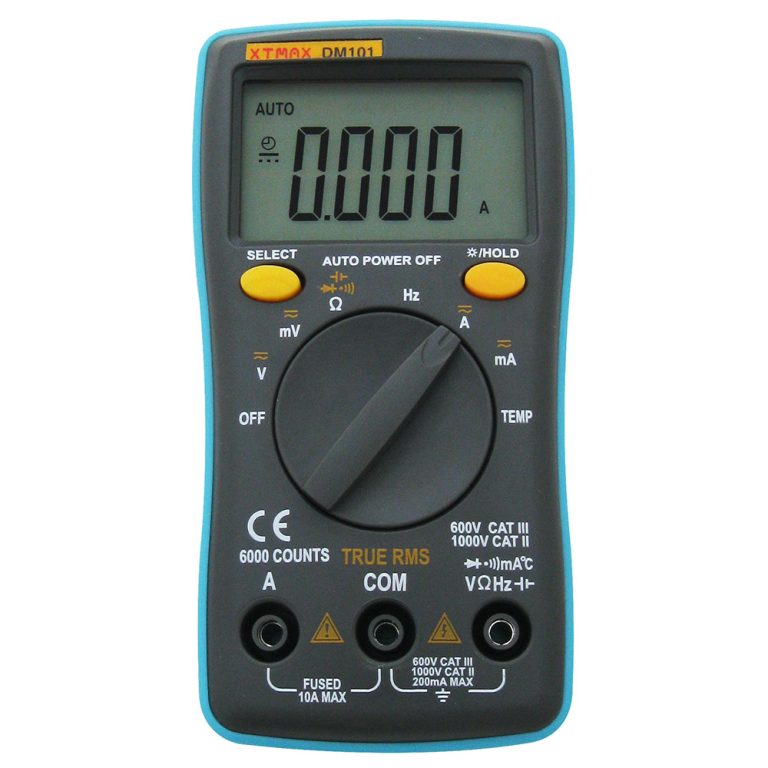
- XT300 Temperature Meters Cover ambient, surface and duct temperature checks in one handheld meter.
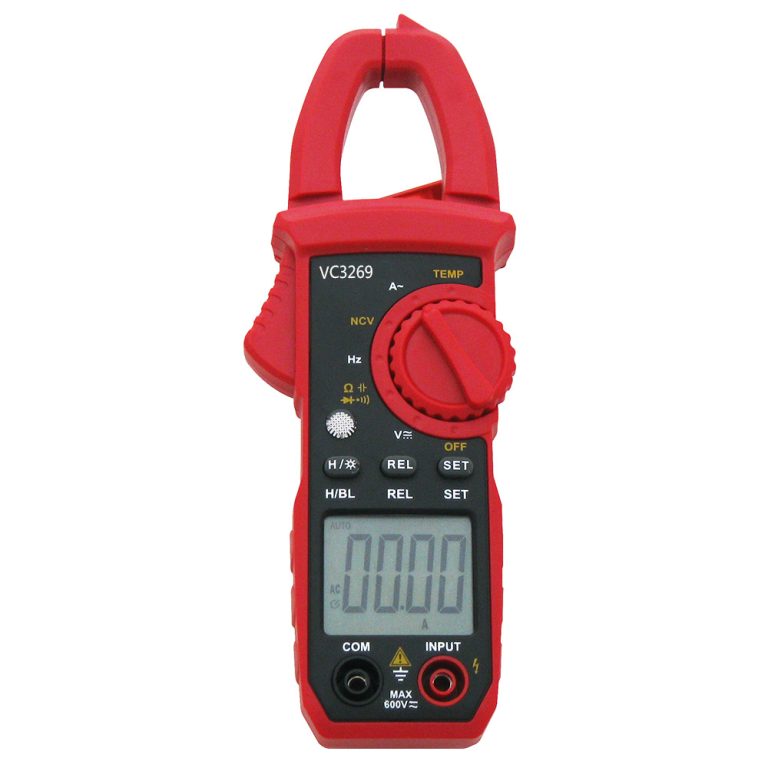
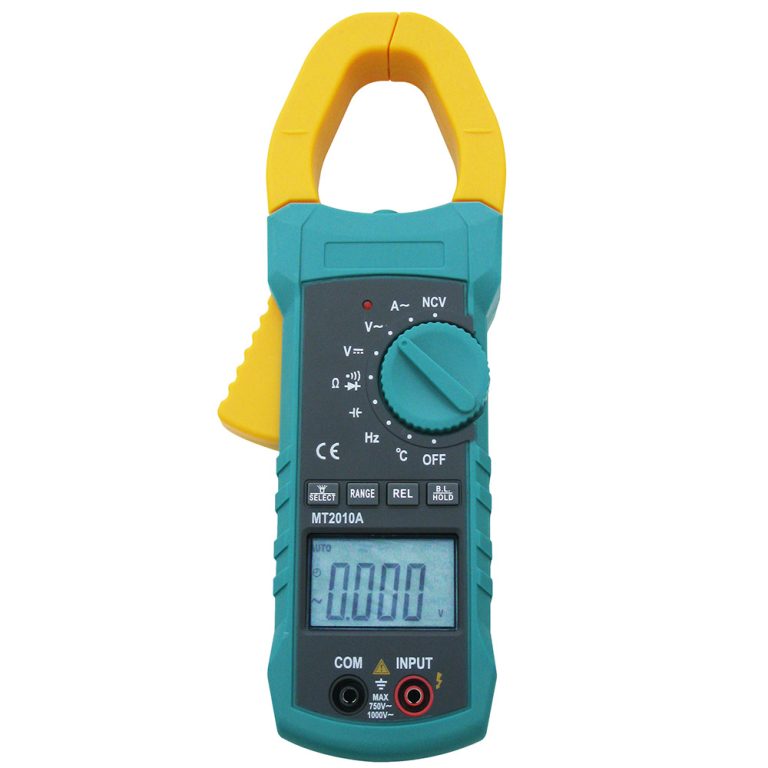
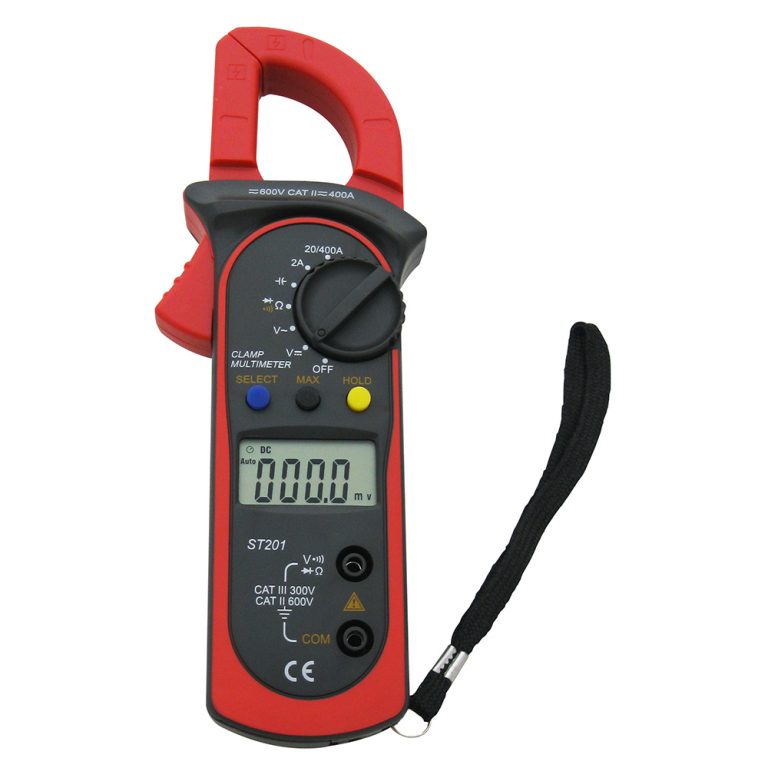
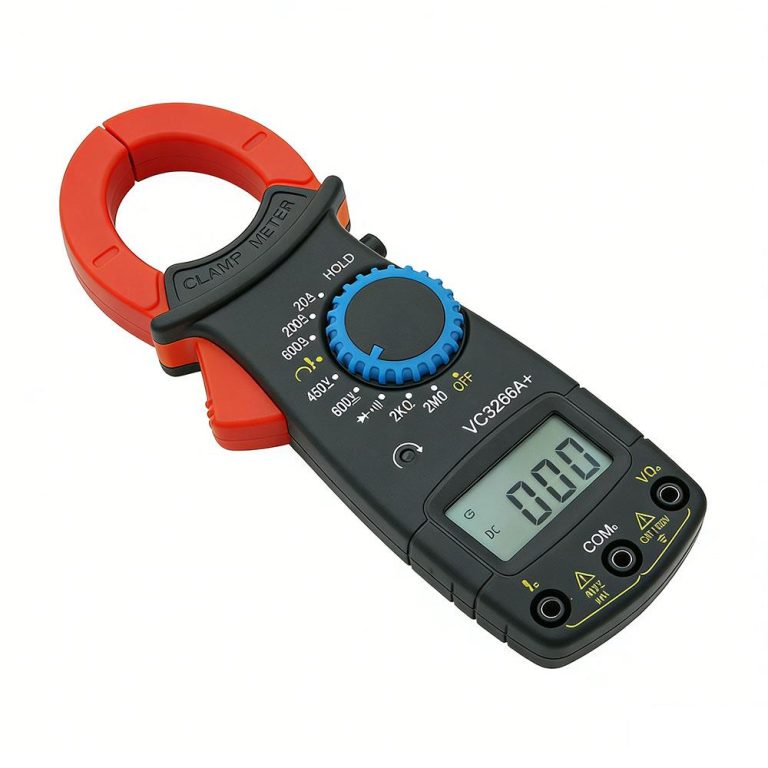
- VC3270 Digital Clamp Meter Measures running current on compressor and fan motors without breaking the circuit.
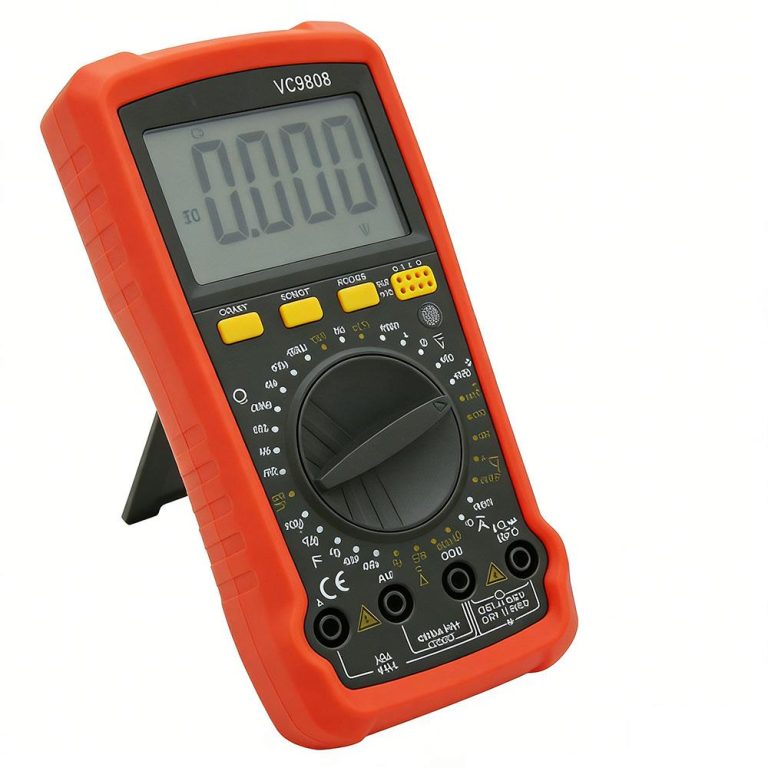
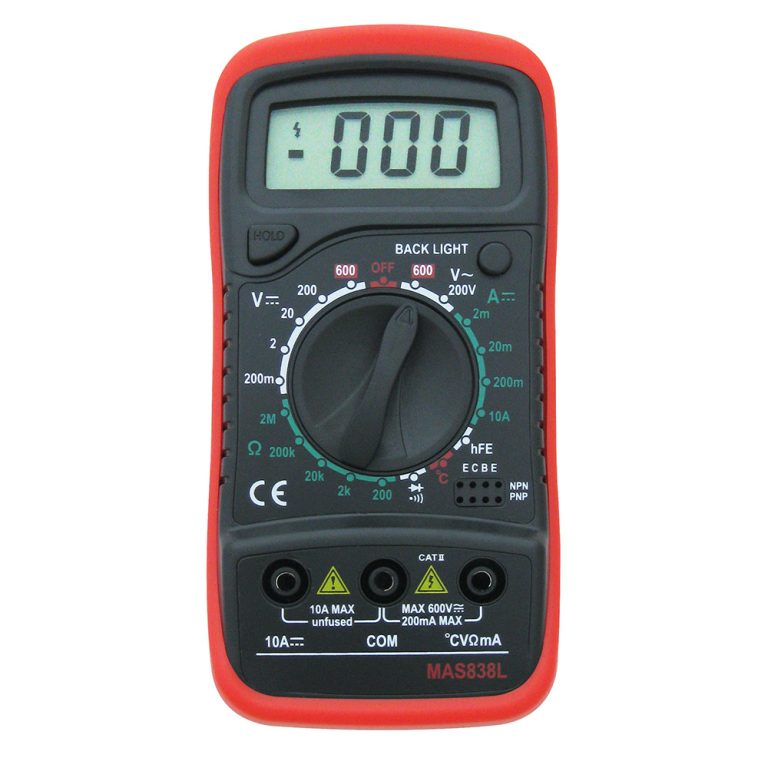
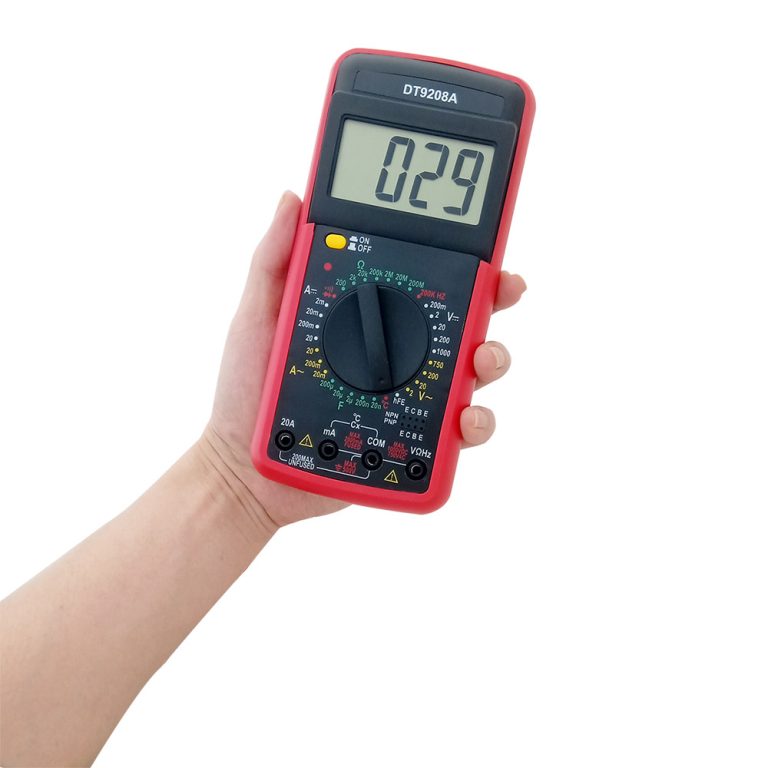
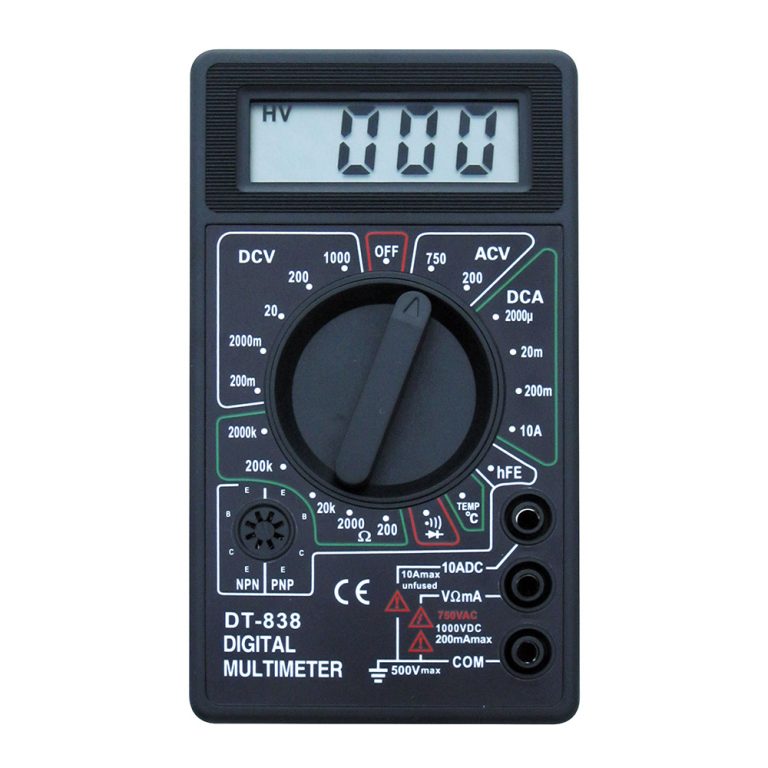
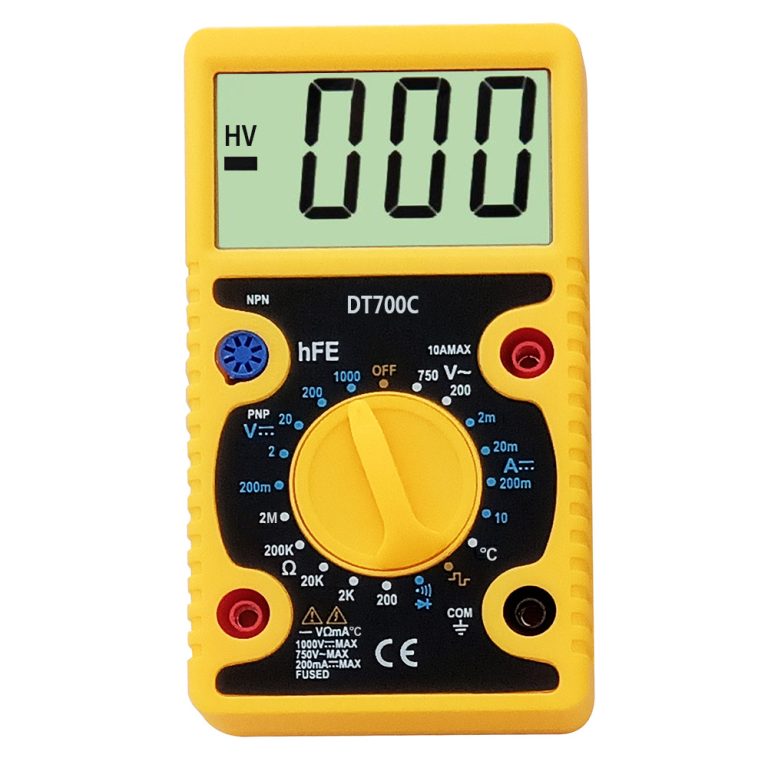
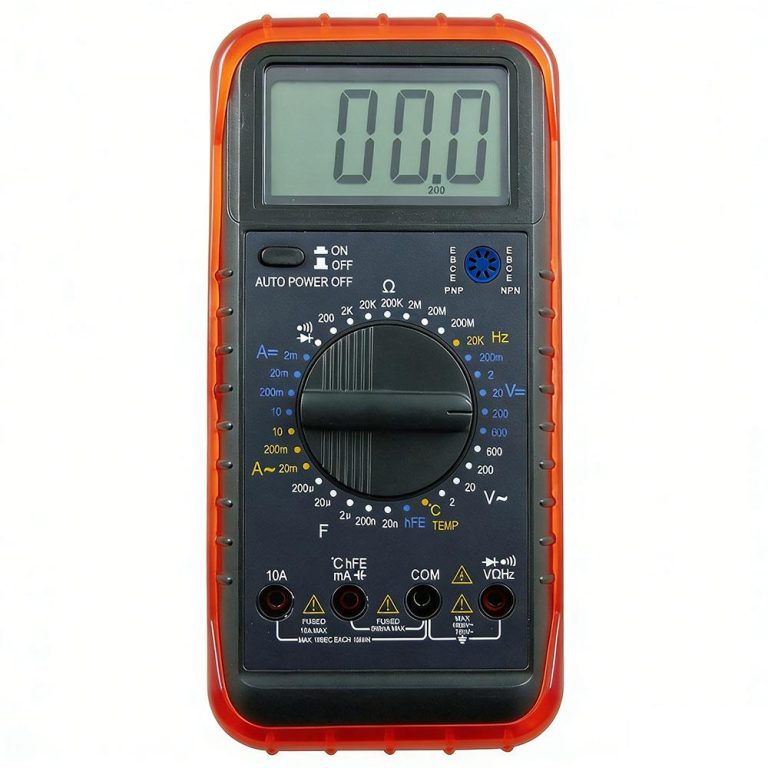
- DT9210 Digital Multimeter Combines AC voltage, resistance and continuity checks for fault-finding on heating circuits.
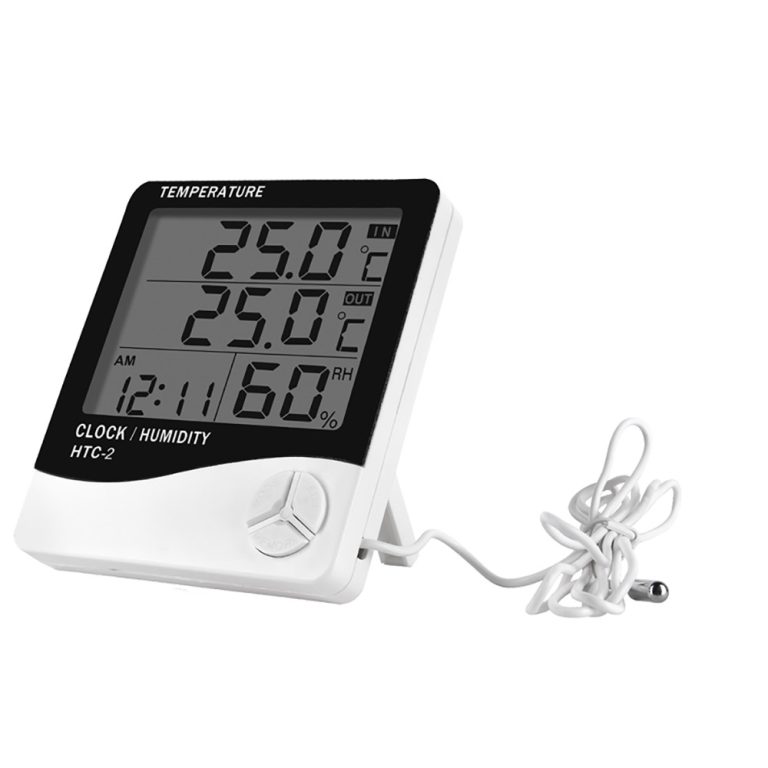
- HTC-1 A simple, low-cost room temperature readout for quick ambient checks.





Browse the full product range →
Get a Quote for HVAC & Temperature Tools
Tell us your application and target quantity — we'll reply within 24 hours.