
Automotive & Vehicle
12V / 24V car circuit tracing, battery and alternator checks.
CERoHSISO 9001
What to Measure on a Vehicle
Most vehicle electrical faults come down to wiring, battery or charging issues rather than a failed part. Measure the circuit first so you replace the right thing the first time.
- check continuity on a dead 12V circuit before tracing the fault
- trace a car circuit that drops voltage under load when lights are on
- measure battery resting voltage to spot a weak or undercharged cell
- test alternator output with the engine idling and again under rev
- verify fuse and relay continuity after a component stops working
- check voltage drop across a corroded earth strap or battery terminal
- confirm which pin stays live on a 12V or 24V wiring harness
How to Trace a 12V or 24V Circuit
Work from the battery outward and always compare each live reading against a known-good reference. A steady sequence gives you readings you can trust and repeat.
- Test the meter first: confirm the DC voltage reading on a known-good battery, then short the leads in continuity mode to hear the buzzer before working on the vehicle.
- Set the meter to DC voltage mode and read the battery at the terminals with the engine off. A healthy 12V battery rests near 12.6V and a 24V system near 25.2V.
- Switch to DC voltage mode and probe from ground to each point along the circuit with the load switched on. A drop above about 0.5V between battery and load points to a corroded terminal or thin wire.
- Isolate the circuit, then use continuity or buzzer mode to check fuses, relays and wire runs. The meter should beep cleanly with no flicker when the part is sound.
- Test the charging system: with the engine running, read battery voltage at the terminals at idle and again at a higher rpm — a healthy alternator lifts the reading into its working range and holds it steady.
Safety First on Live Circuits
12V and 24V systems can still push serious current, so treat every wire as live until you prove otherwise.
- Treat every 12V or 24V wire as live until you prove otherwise — vehicle circuits can push serious current.
- Disconnect the battery or pull the fuse where possible so you never probe a live circuit.
- Check around the battery for acid or corrosion, and keep metal tools away from both terminals.
- Never touch the bare probe tips while the leads are connected to a live circuit.
- Inspect the leads for cracks or exposed copper before any live test.
- Keep the work area dry and your feet clear of water.
Recommended Instruments
Pick the tool that matches the checks you do most often on the vehicles you service.
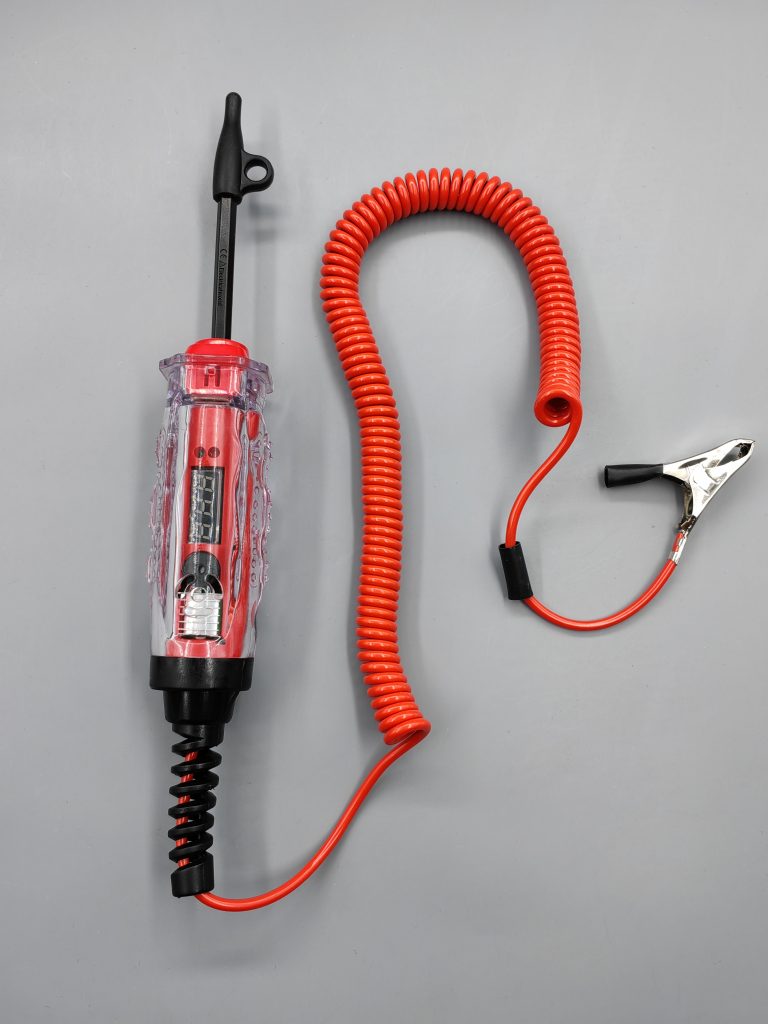
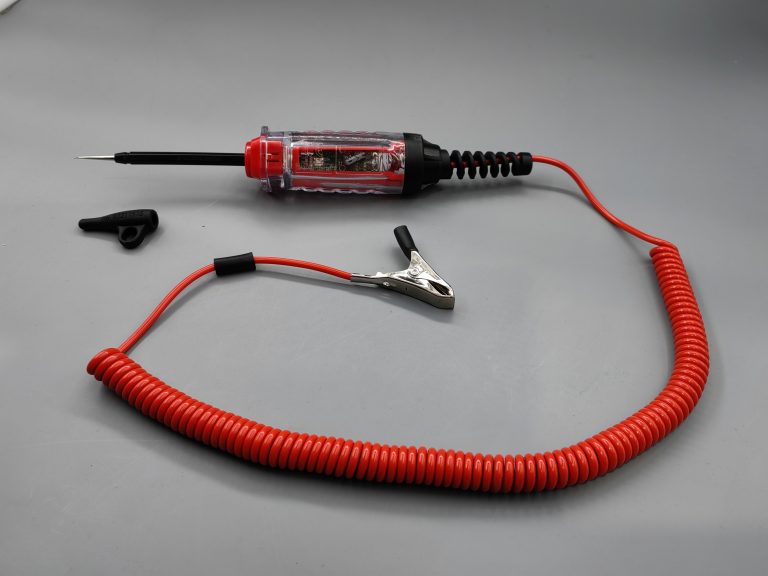
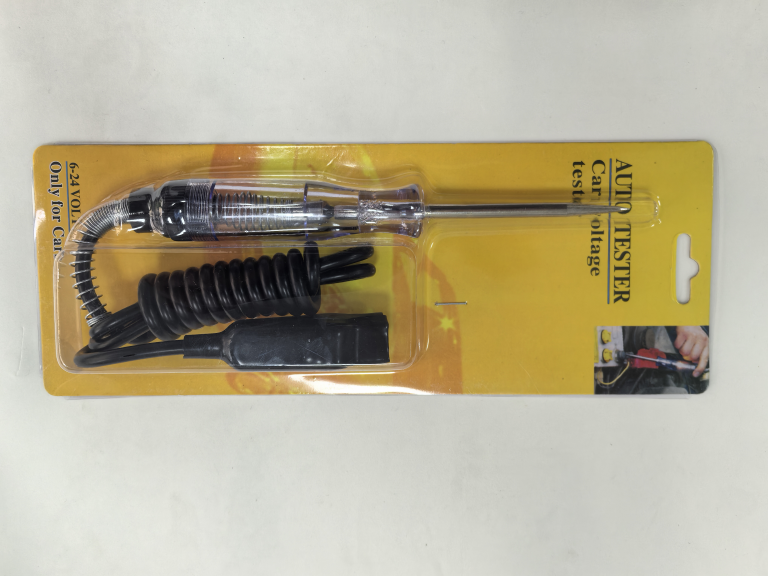
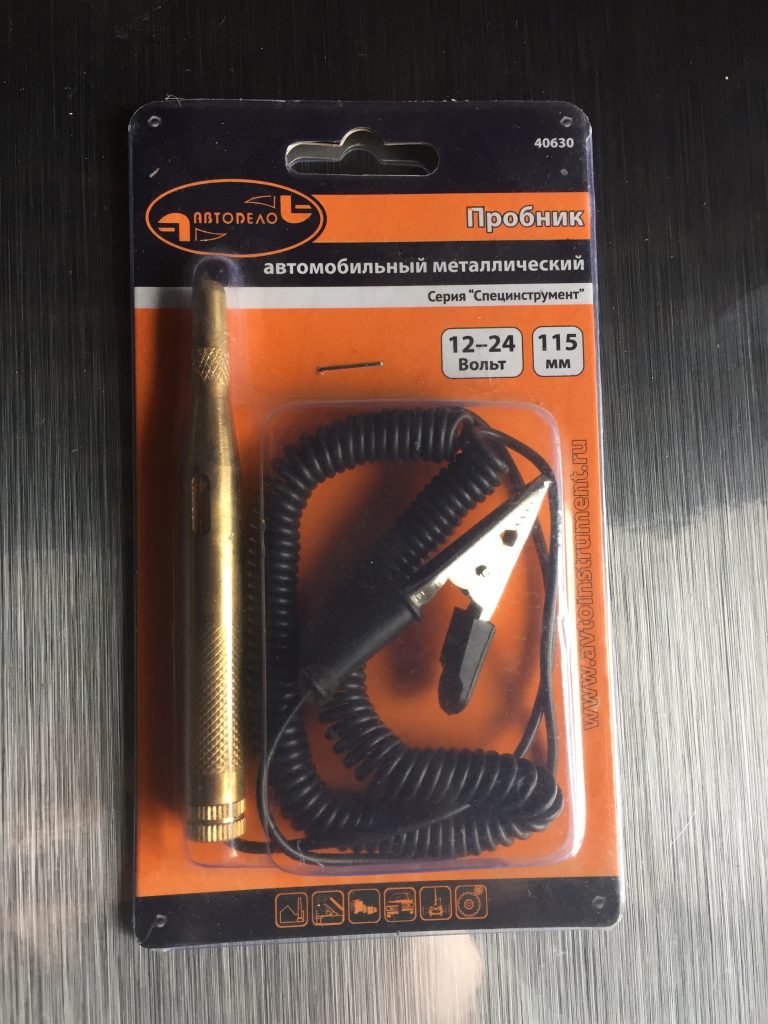
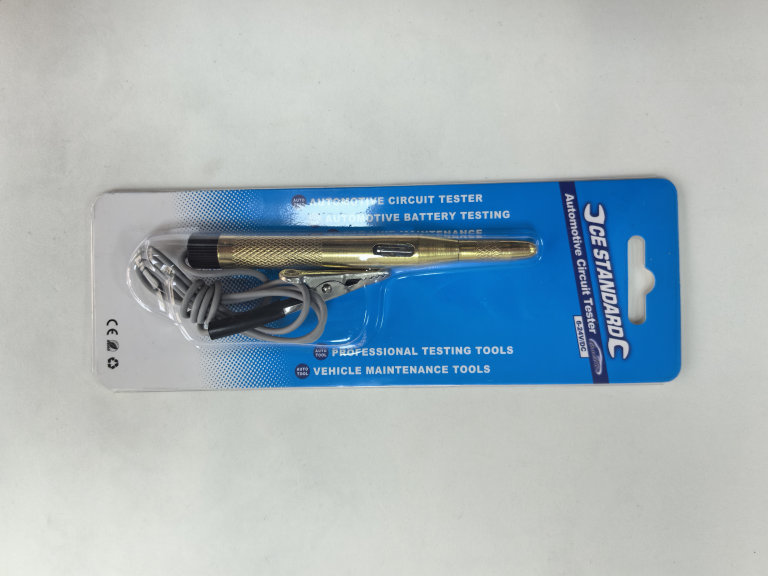
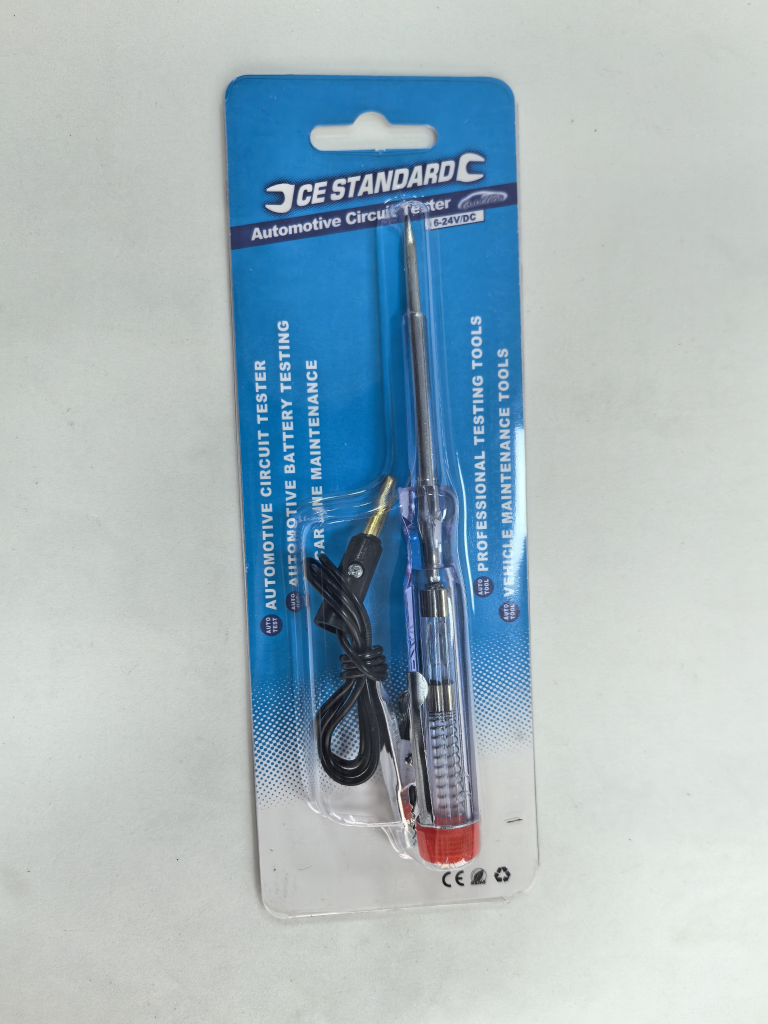
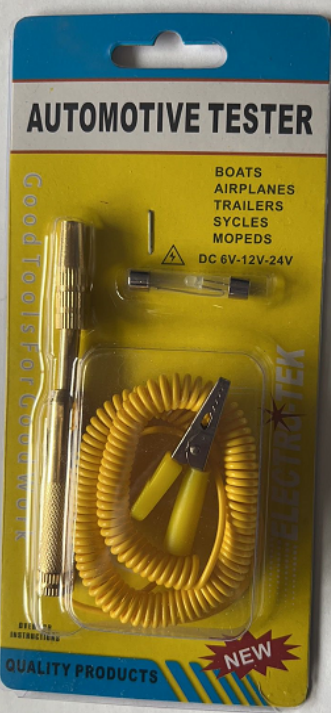
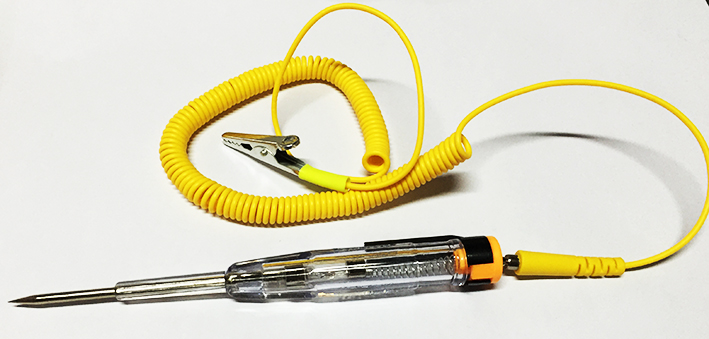
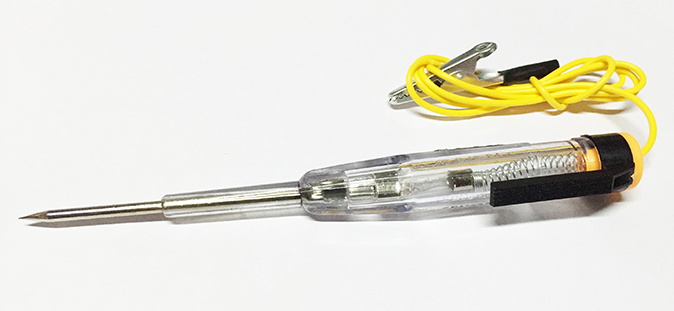
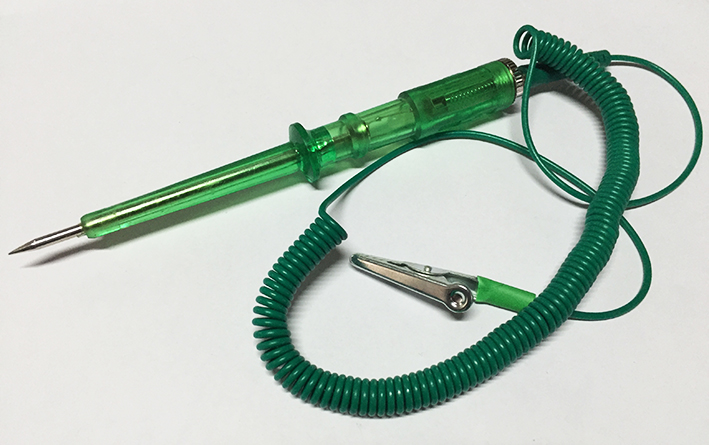
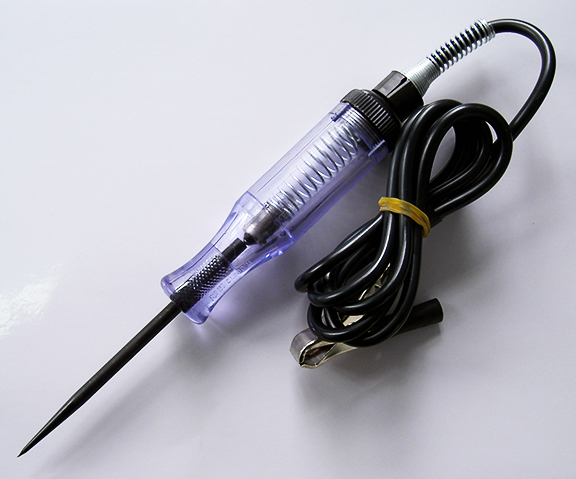
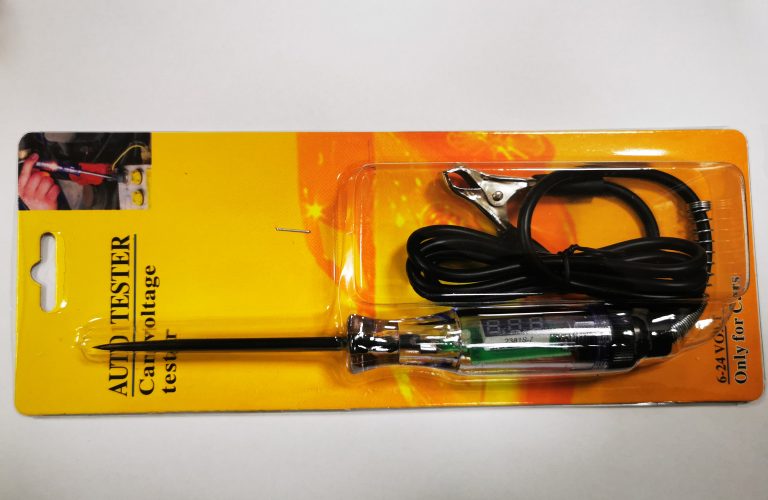
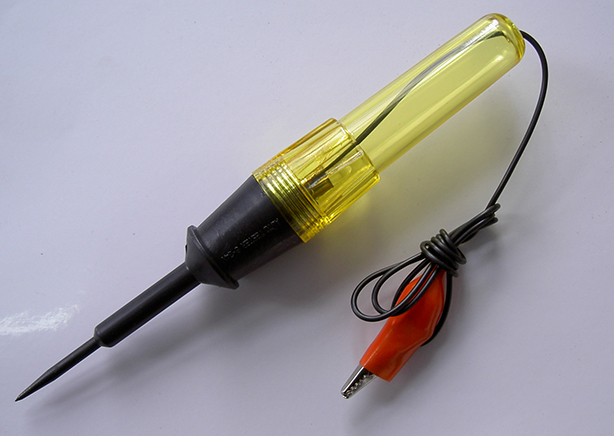
- Wilk 302 / 303 Car Electric Pens Track live and dead wires quickly on 12V and 24V car circuits.
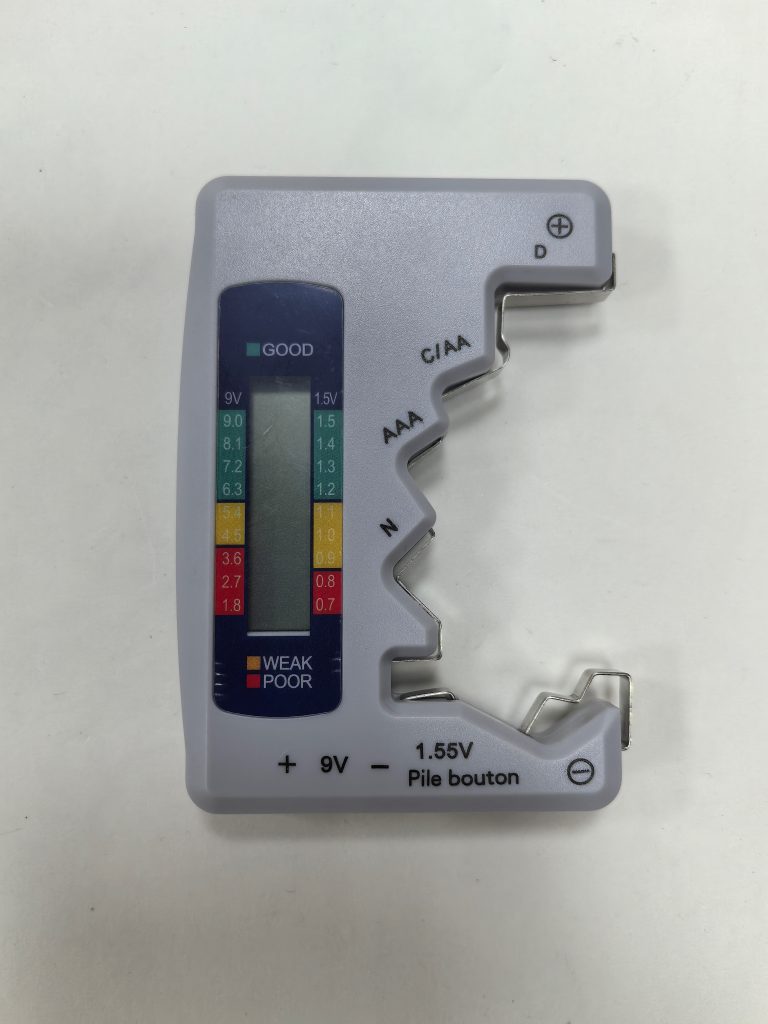
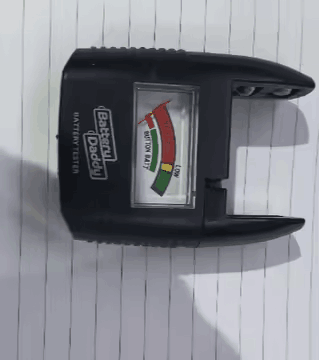
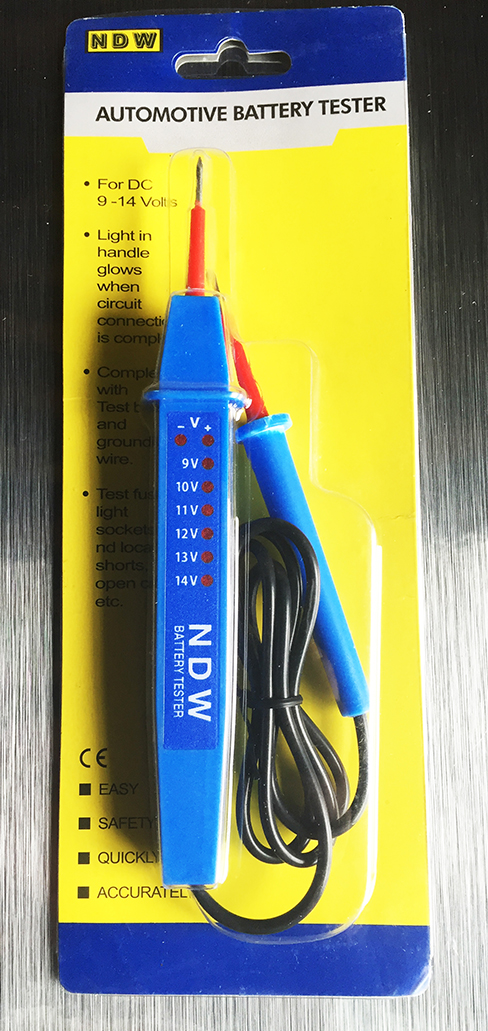
- HW170 / HW171 / HW172 Battery Meters Give a fast battery condition check without needing to disconnect the battery first.
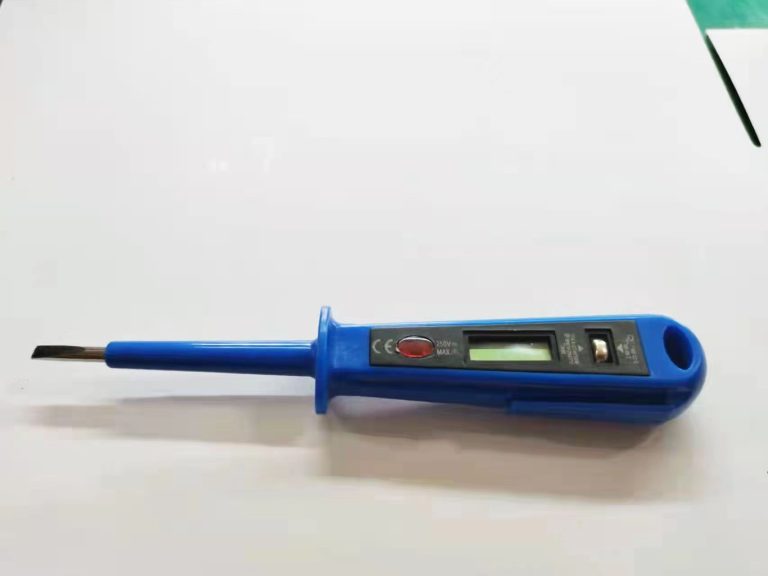
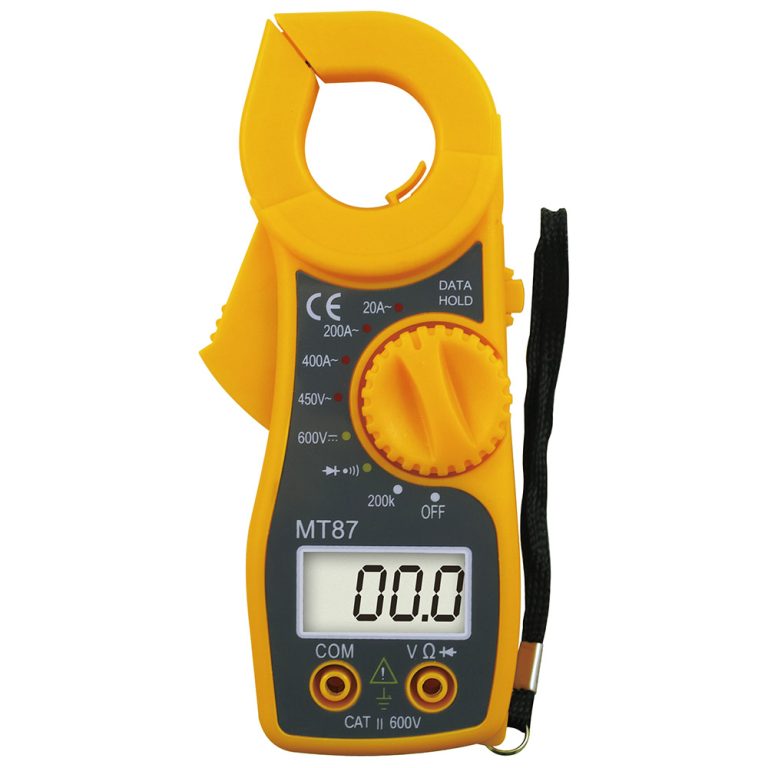
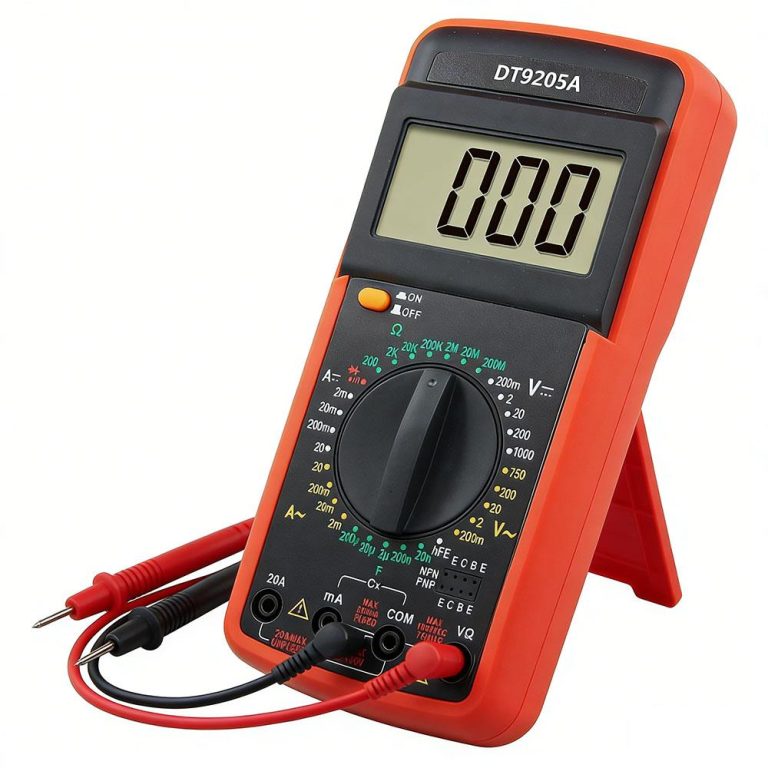
- HW304–HW310 Series Handle the routine voltage and continuity checks needed to trace a circuit fault.
- HW65 / HW68 / HW80 Series Reliable everyday measurement for the wiring checks most workshop calls start with.

Browse the full product range →
Get a Quote for Automotive & Vehicle Tools
Tell us your application and target quantity — we'll reply within 24 hours.