
LED & Appliance Repair
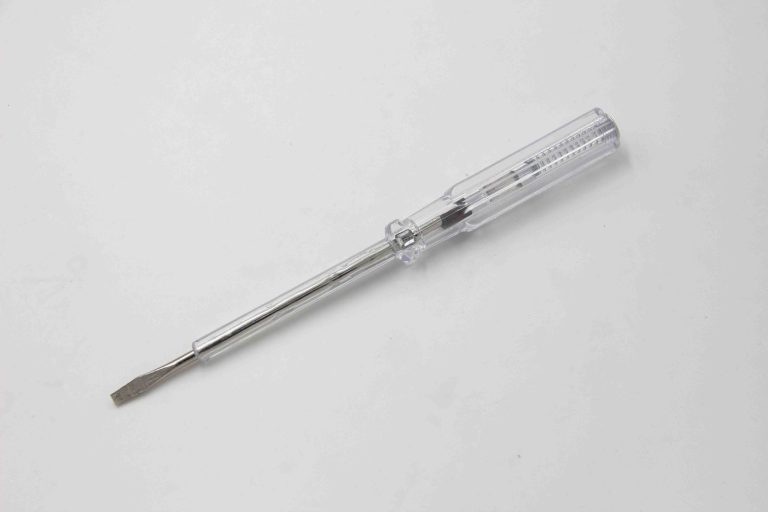
Live / neutral identification and quick fault-finding on lamps and appliances.
What to Measure in LED and Appliance Repair
Before you open a lamp fitting or a domestic appliance, a short sequence of checks tells you where the fault really lives. Run these measurements in order and the repair usually narrows down to one component.
- Check the live-neutral polarity at the light fitting before reconnecting
- Verify the supply voltage at the appliance inlet is actually present
- Trace a lamp that stays dark by testing the switch in both positions
- Measure AC voltage across the LED driver output terminals under load
- Check continuity on a dead 230V outlet before suspecting the appliance
- Confirm the earth path back to the panel on metal-bodied appliances
- Detect intermittent drop-outs by watching the display during a continuity test
How to Check Voltage and Continuity
A multimeter, used methodically, turns most lamp and appliance faults into a short checklist. Work the same routine every time so no step gets skipped.
- Test the meter first. Plug the leads into the correct sockets, set the rotary switch to AC voltage mode, and confirm a known-good outlet reads mains voltage.
- De-energise the circuit where you can and prove it is dead. Set continuity mode and touch the probes together to confirm the buzzer sounds before tracing anything.
- Check the supply at the lamp or appliance. In AC voltage mode measure live to neutral and live to earth, and watch for the reading to sag when the load is switched on.
- Isolate the suspect part with the power off: test the switch contacts, fuse and LED driver input in continuity mode.
- Safely re-energise the circuit, then check the LED driver DC output across its output terminals while the lamp is connected, keeping the capacitor-discharge caution in mind.
- Re-verify after the repair: confirm live-neutral polarity at the fitting and that the supply voltage holds before you close the unit back up.
Safety First
Voltage, current and a stored capacitor can hurt long after the switch is off. Keep these habits in front of you every time you pick up the meter.
- Discharge the smoothing capacitors inside an appliance power supply before probing the board — they can hold charge long after the switch is off.
- De-energise the circuit where possible and verify it is dead before you touch anything.
- At 230V use the one-hand technique and wear insulated gloves so you never become the path.
- Never touch the probe tips while the meter is connected to a live circuit.
- Re-check live-neutral polarity at the fitting after any repair before closing the unit.
- Inspect the leads for cracked insulation and keep the meter dry at all times.
Recommended Instruments
These meters cover the everyday checks above without the bulk and cost of a full lab bench.
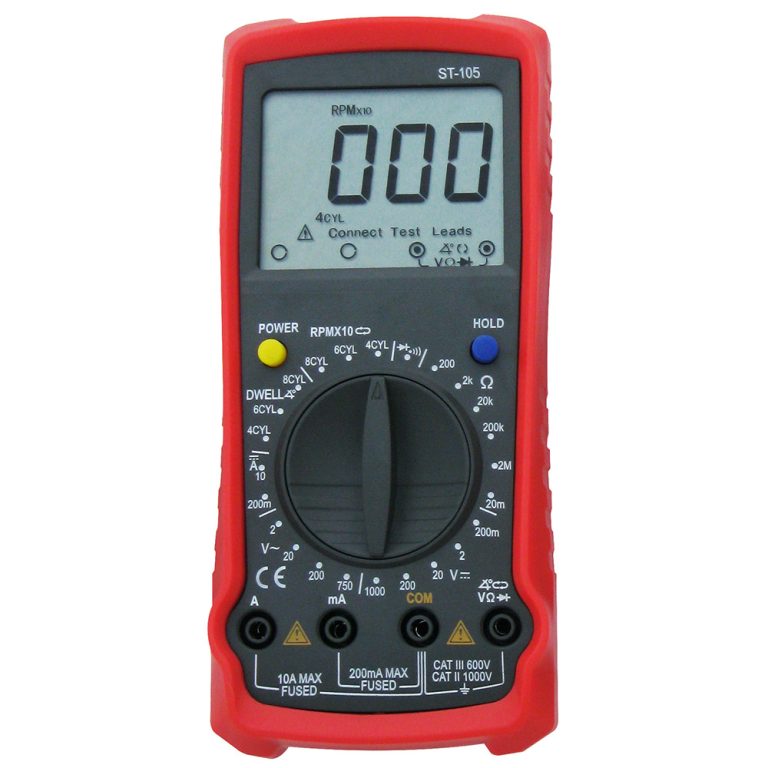
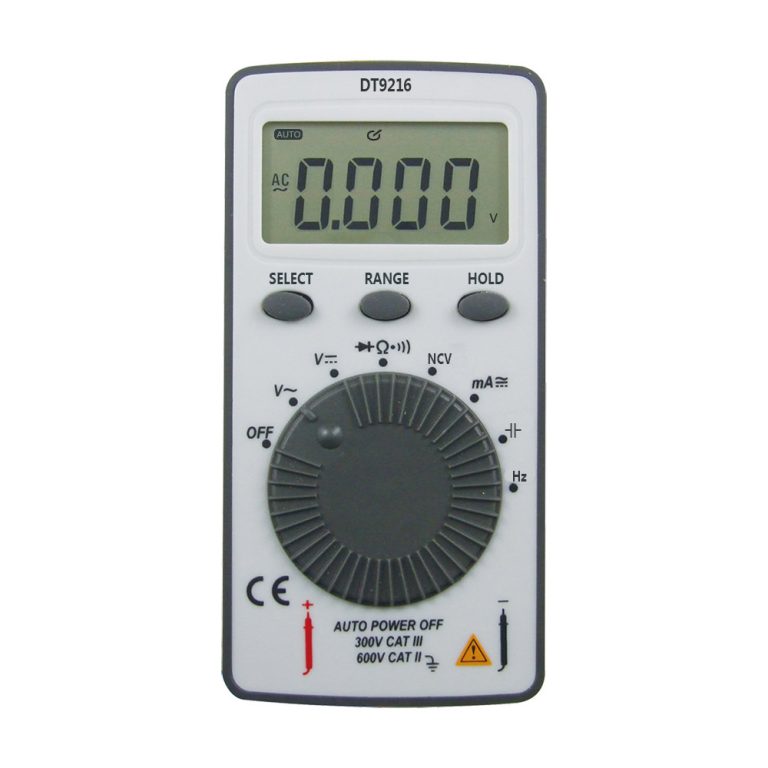
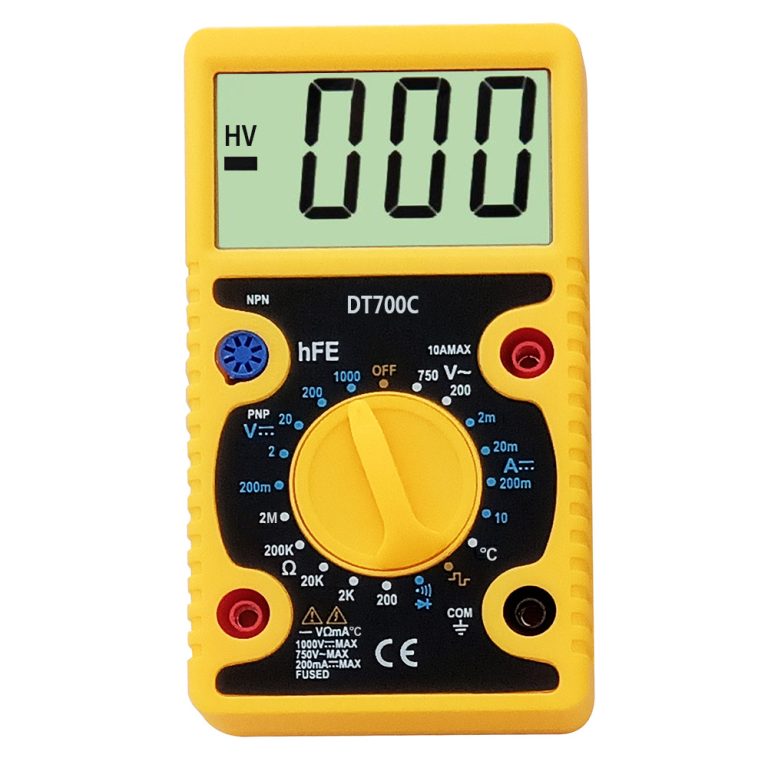
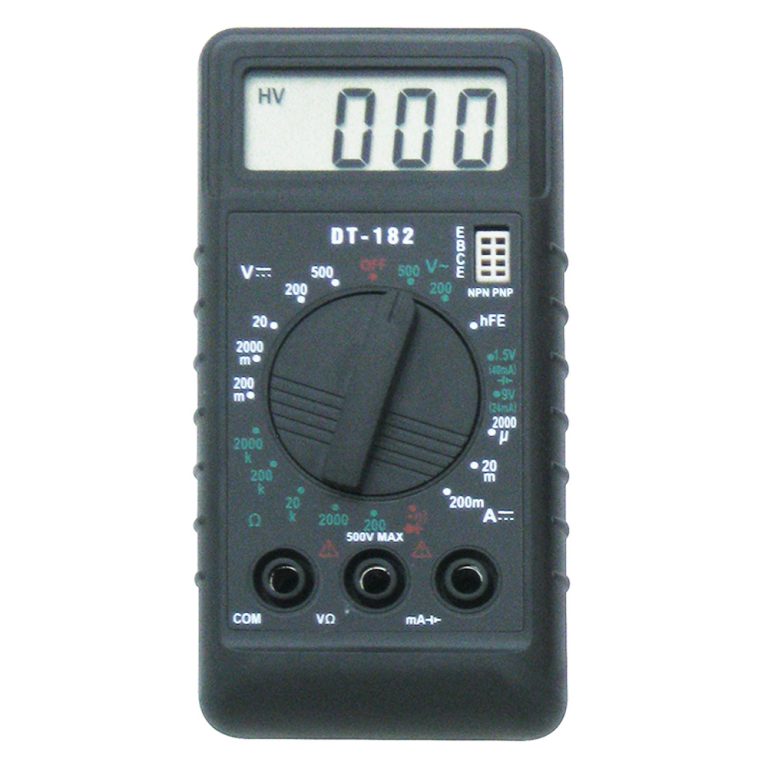
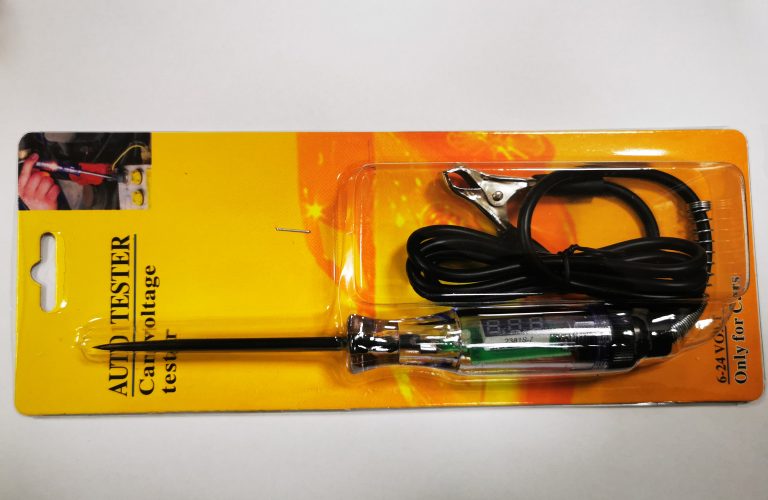
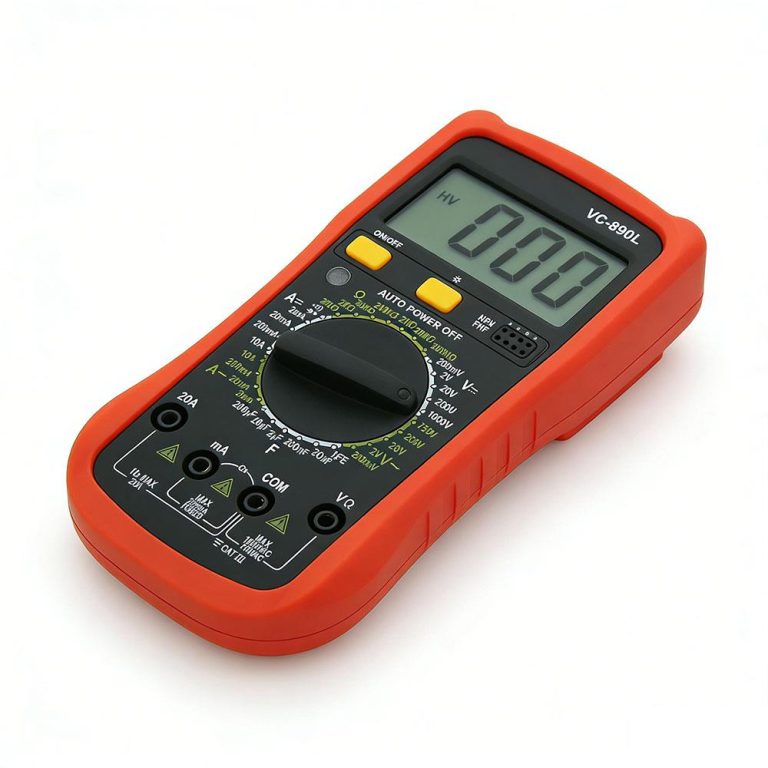
- DT9210 A dependable all-round digital multimeter for the daily voltage and continuity checks on lamps and sockets.
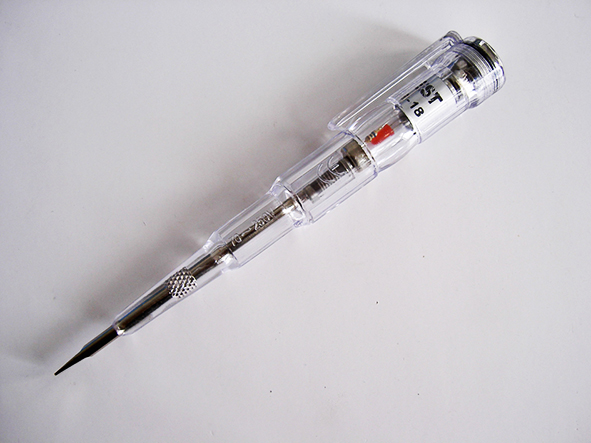
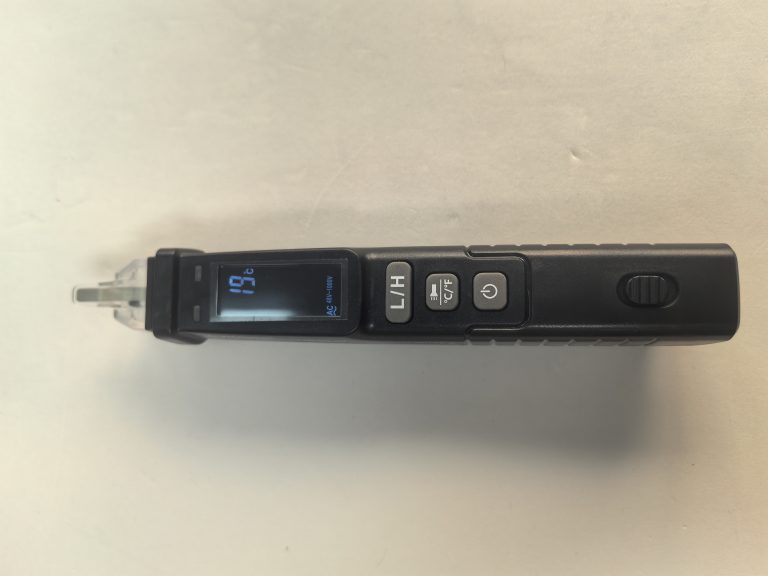
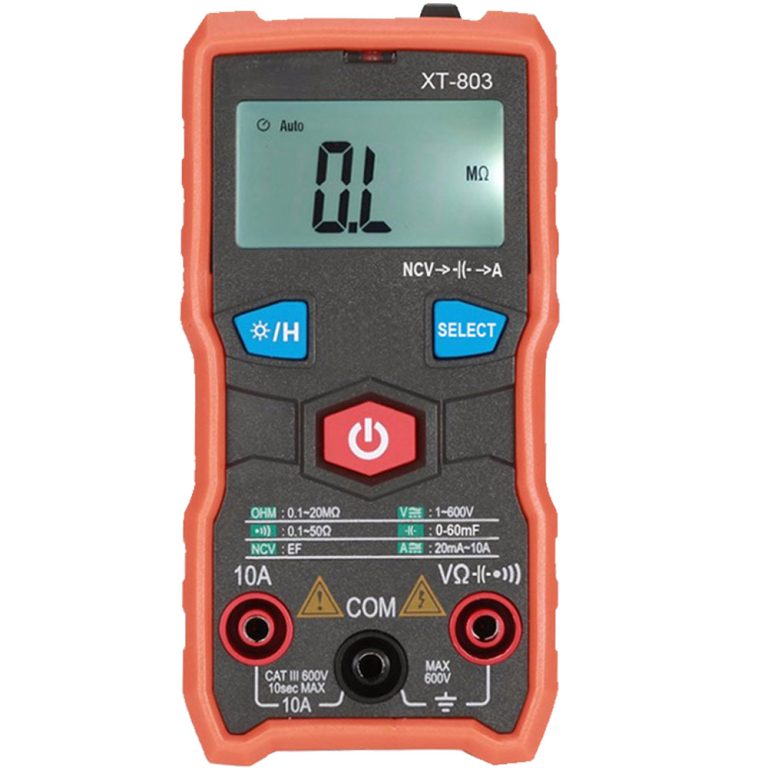
- XT802 A practical second meter for quick polarity and live-neutral checks at the light fitting.
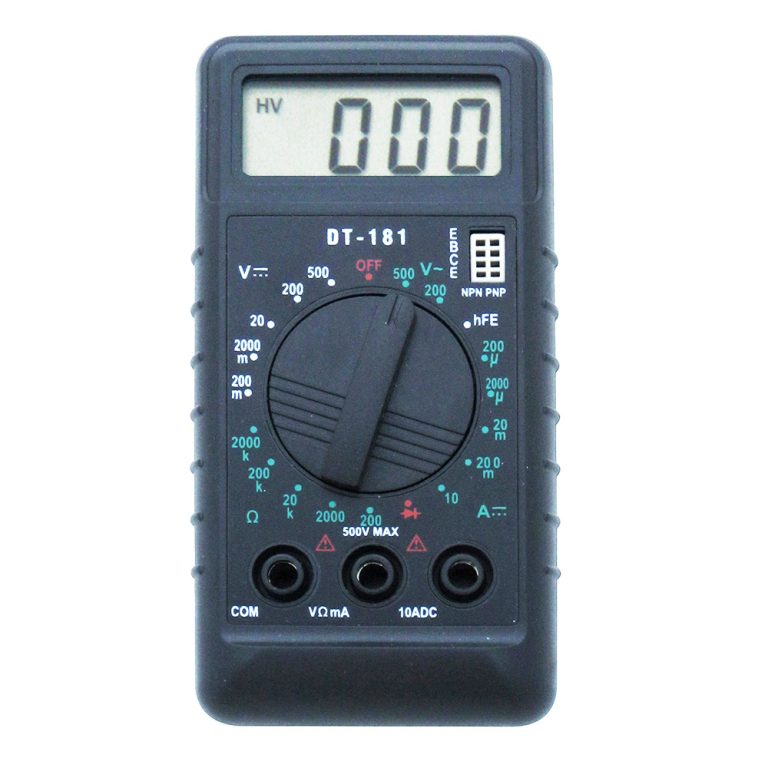
- DT181 A straightforward multimeter for tracing continuity and shorts through switches, fuses and driver boards.
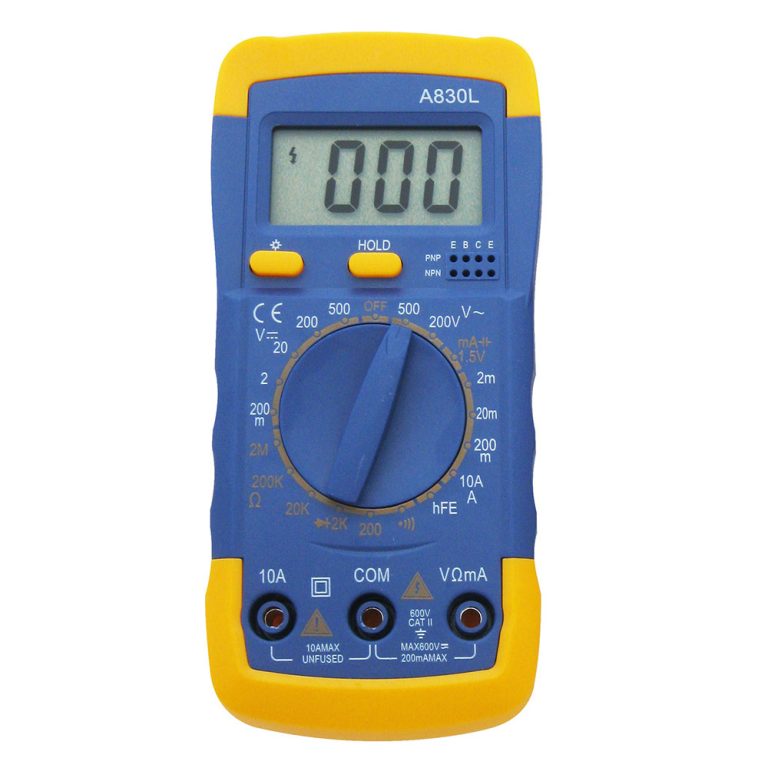
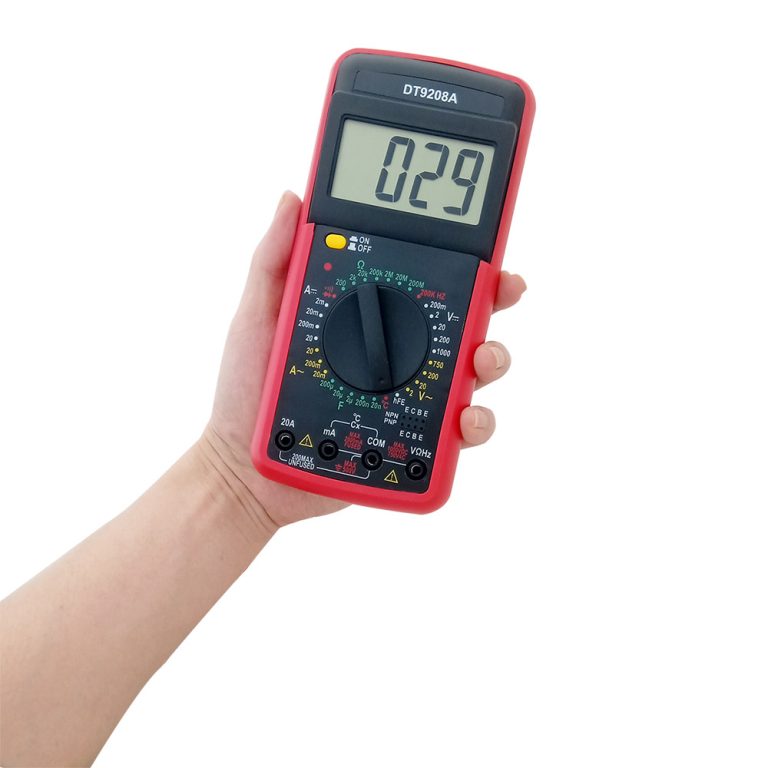
- DT9208A AC and DC voltage ranges cover supply feeds, switch checks and low-voltage driver outputs.

Browse the full product range →
Get a Quote for LED & Appliance Repair Tools
Tell us your application and target quantity — we'll reply within 24 hours.