

If you work on live circuits, the difference between a clamp meter and a multimeter is simple: a clamp meter measures AC current without breaking the circuit, and a multimeter measures voltage, resistance and low-current circuits. Both belong in a professional kit — the question is which one to buy first.
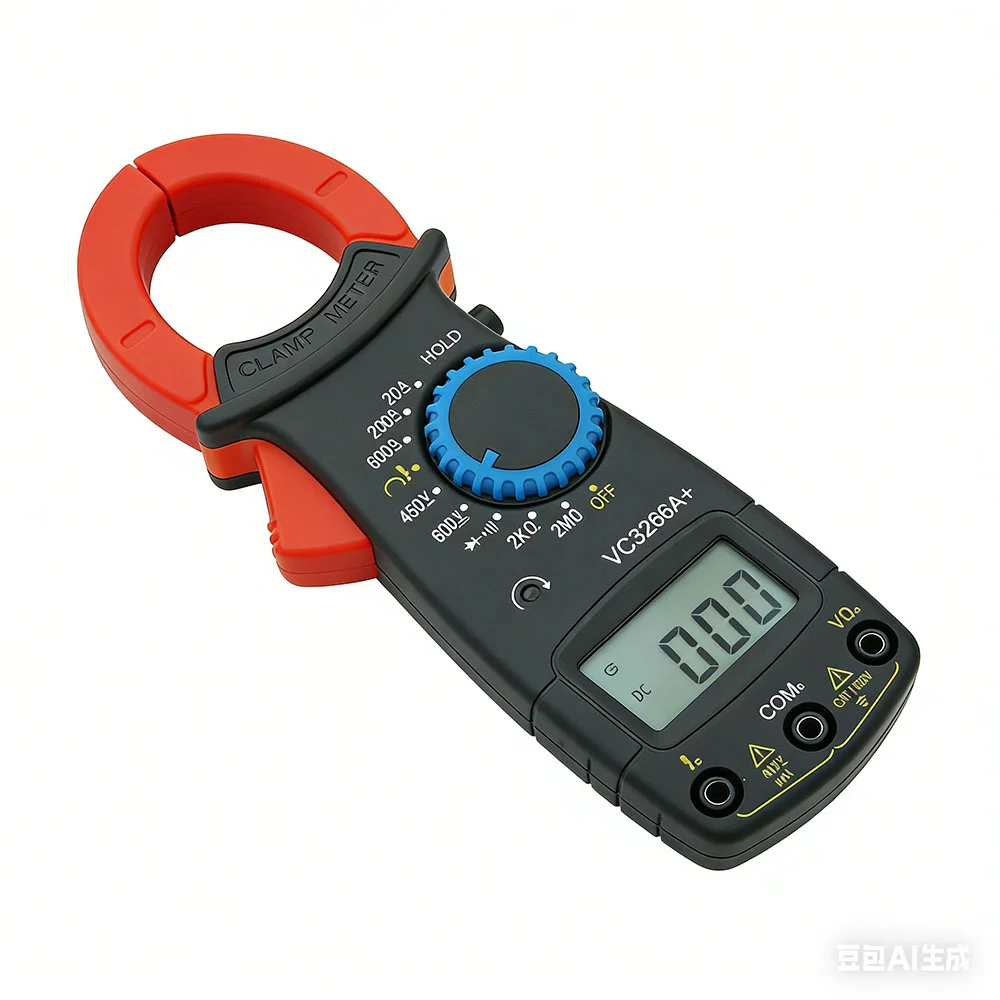
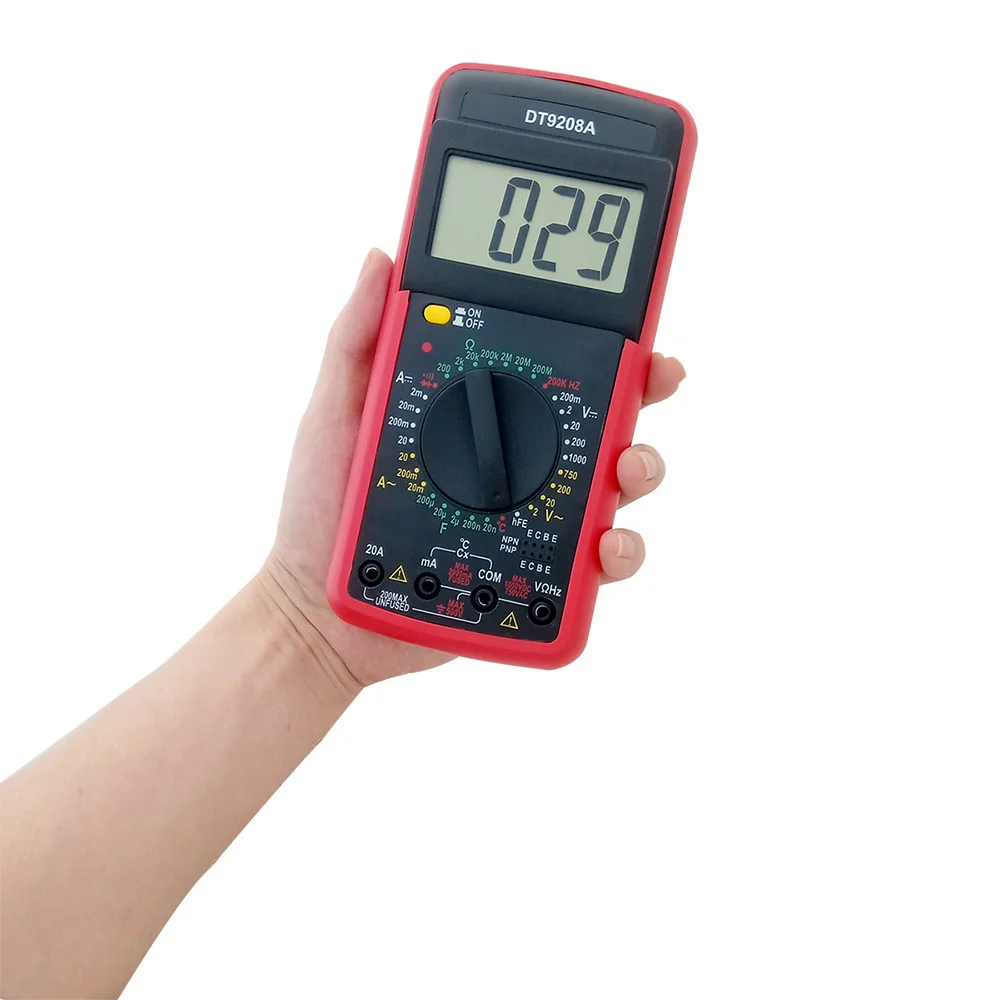
What a Clamp Meter Does
A clamp meter opens its jaws around a single conductor and reads the current flowing through it inductively. No disconnecting wires, no series connection, no downtime. That is why XT2017, VC1210 and VC3268 are the first tool a maintenance engineer reaches for when checking motor loads and heater circuits.
When to Use a Clamp Meter
- Checking running current of motors, pumps and compressors
- Verifying a circuit is actually carrying load
- Trending current draw for troubleshooting intermittent faults
Models such as 88A, DM6266, MT2010A and ST201 add AC/DC voltage, resistance, continuity and sometimes temperature measurement, so one clamp meter replaces several tools on the bench.
When a Digital Multimeter Is the Better Choice
For electronics, control panels and low-current troubleshooting you need the fine resolution of a multimeter — mV ranges, capacitance and diode testing. A multimeter is also safer and more precise for voltage work at the component level.
Which One to Buy First
Distributors and OEM buyers often carry both lines: a clamp meter for power-side work such as the VC3269 / VC3270 and XT266 series, and a digital multimeter for control-side work. Tell us your typical application and target market and our engineers will recommend the exact models and quantities.
See the full clamp meter range, or browse all products. Need a private-label program? Talk to our OEM team.
Related reading: How to Choose a Clamp Meter: AC, DC, True RMS and Jaw Size · CAT Ratings Explained: Choosing the Right Safety Category for Your Multimeter
Related reading: How to Use a Clamp Meter: Measure Current Without Breaking the Circuit