

Parasitic Draw: How Many Milliamps Is Normal
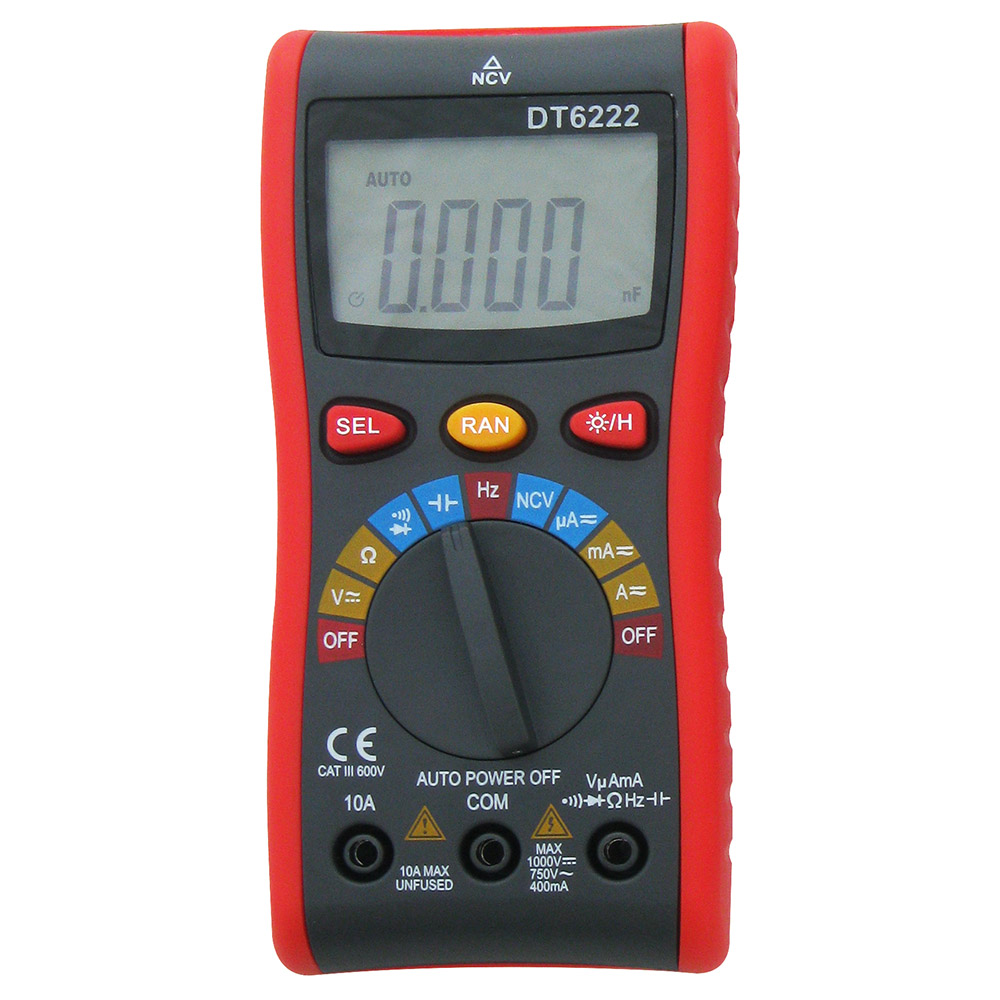
A parked car keeps drawing current with everything switched off, because the clock, the alarm, the keyless-entry receiver and a handful of control modules stay awake. On most vehicles that steady drain settles between 20 and 50 milliamps once every module has gone to sleep, and a car drawing more than about 80 milliamps will flatten a healthy battery in a week or two of standing. The number that matters is the one you measure after the modules have slept, not the one you measure a minute after you close the door, and the gap between those two readings is where most parasitic draw diagnoses go wrong. The DT6222 measures DC current down to 400 microamps on a range specified at plus or minus 1.4 percent, which is the resolution this job needs.
The service bands below are the usual figures for a twelve-volt vehicle, and the meter specifications are taken from our production specification sheets. Wenzhou Zhengyuan Electronic Co., Ltd. builds these instruments in its Wenzhou factory.
What Each Reading Means
Take the reading with the meter in series and the vehicle fully asleep, then find the row that matches it. The verdict column is the whole point of the measurement; the next-step column is what to do before you start pulling fuses at random.
| Reading | Verdict | What to do next |
|---|---|---|
| Under 20 mA | Normal, and on the low side | Nothing to chase. Record the number as this vehicle’s baseline for the next time it comes in. |
| 20 to 50 mA | The normal band for a modern car | Record it and stop. An alarm and a handful of keep-alive modules account for this on their own. |
| 50 to 80 mA | Borderline | Re-measure after a longer sleep period before touching anything. Check recently added accessories first. |
| Above 80 mA | Will discharge the battery in days to weeks | Pull fuses one at a time, watching the reading fall, to isolate the circuit that owns the drain. |
| Above 1 A | A module is awake or a lamp is staying on | Do not leave a milliammeter in circuit at this current. Move to a clamp meter around the battery cable. |
A reading taken too early is the single most common reason a healthy car is diagnosed as faulty, because a vehicle that has just been unlocked draws several amps and needs anything from twenty minutes to an hour to settle.
Connecting the Meter in Series
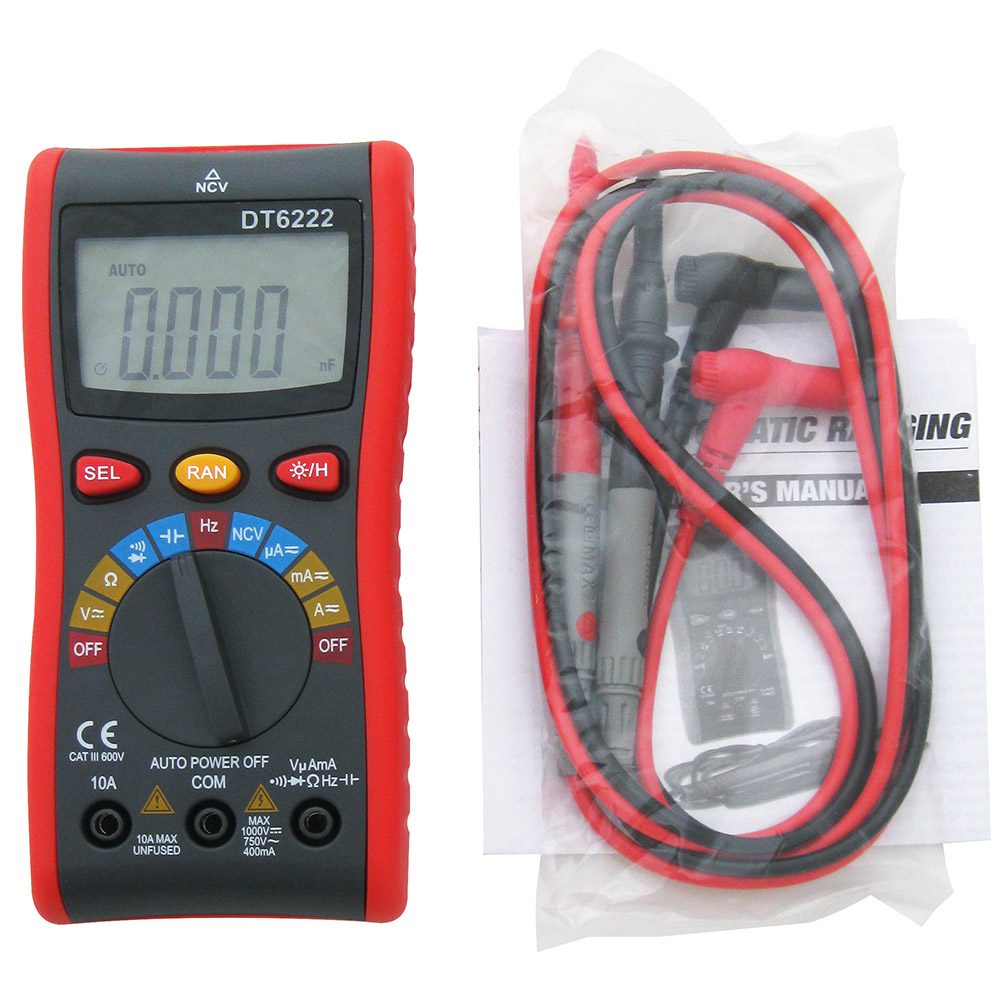
A current measurement is made by breaking the circuit and putting the meter into the gap, never by laying the probes across a live terminal. On a car the practical sequence is to switch everything off and close the doors, disconnect the negative battery cable, then connect the meter between the cable and the battery post with the red lead in the milliamp jack and the black lead in COM. The vehicle’s electronics stay powered through the meter, which is what allows the modules to be observed going to sleep.
Why the Modules Have to Sleep First
Every reading above assumes the vehicle is asleep. A car wakes when a door opens, when the key fob moves nearby, when the hood switch closes, or when a module is polled on the bus, and each wake-up produces a current draw that has nothing to do with parasitic drain. The reliable procedure is to set the meter up, close everything, and leave it for the full sleep period the manufacturer specifies before reading anything at all.
During that wait the numbers on the display are not measurements, they are the car going about its business. A vehicle that will not settle at all, or that wakes on its own at intervals, is describing a fault rather than a drain, and the intermittent behaviour is the finding rather than the number.
Reading It on the Right Current Range
Forty milliamps sits near the top of a 40 milliamp range, so a reading in the normal band uses most of the scale and is easy to trust. The parasitic draws worth chasing are the ones that look like nothing on a coarse range and obvious on a fine one, and that is where the 400 microamp and 4000 microamp positions earn their place: on the 40 milliamp range the last digit is 10 microamps, which resolves the difference between 20 milliamps and 25 milliamps.
The 10 A jack is the wrong tool for this measurement even though it will show a number. Its resolution floor hides everything in the band you are trying to read, so the display shows something plausible and useless. A meter that only offers one current jack cannot do this job properly, which is the practical reason a workshop meter separates microamps and milliamps onto their own fused input.
When the Draw Comes and Goes
An intermittent drain is harder than a steady one and it fails differently: the meter reads normally for twenty minutes and then jumps, and the jump is the finding. Intermittent drains are usually a module that wakes on a timer, a boot lamp or glovebox lamp on a tired switch, or a relay that is not releasing cleanly. Leaving the meter connected and logging the display over a longer period is the only way to catch one, which is why a meter with auto power off should have that function switched off for this test.
Reading a steady current this way is also where the milliamp range stops being sufficient and a clamp meter takes over. A clamp placed around the battery cable measures the same current without breaking the circuit, so it can stay connected indefinitely while the vehicle is used normally. On a fault that only appears overnight, that is the difference between diagnosing it and guessing at it.
Isolating the Circuit Once You Find the Drain
With the meter still in series and still reading, pull fuses one at a time and watch the display. When the reading drops into the normal band, the circuit that fuse protects owns the drain. Put the fuse back, then work through the loads on that circuit one at a time, because a single fuse usually protects several. Interior lamps, aftermarket radios and alarm modules are the usual inhabitants of this band, and a module that has failed to go to sleep is the most common single cause.
Two cautions. Pulling a fuse on a circuit that carries a keep-alive memory can reset it, and on some vehicles that changes the vehicle’s own baseline, so re-check the settled reading after everything is back together. And if the drain is intermittent, the meter has to stay connected while the fault occurs, which means a longer session rather than a better instrument. The automotive multimeter guide covers the other measurements on this job, and the battery voltage chart covers what the battery itself should be reading at rest before you blame it for anything.
Send Us the Reading You Got
If you are choosing a meter for automotive diagnostic work, order a sample and run this measurement on a car you already know is healthy, then on one with a known drain, and check that the meter settles to a stable number at 10 microamp resolution. Send us the reading you got, the smallest current you need to resolve, and the quantity you are planning. Our Wenzhou engineers reply within 24 hours, confirm whether the XT802 or the DT6222 fits the line you are building, and quote per-unit pricing once we have your numbers.